





As the automotive industry evolves, hybrid and electric vehicles (EVs) have gained significant traction among consumers. This beginner’s guide will help you understand the basics of these innovative vehicles, their benefits, and what to consider when making a purchase.
Understanding Hybrid and Electric Vehicles
Hybrid vehicles combine a traditional internal combustion engine with an electric motor, while electric vehicles are powered entirely by electricity. Both types aim to reduce emissions and improve fuel efficiency.
Benefits of Hybrid and Electric Vehicles
- Environmental Impact: Both hybrids and EVs produce fewer emissions than traditional vehicles, contributing to cleaner air and a healthier planet.
- Fuel Savings: Electric vehicles can drastically reduce your fuel costs, as electricity is generally cheaper than gasoline.
- Tax Incentives: Many governments offer incentives for purchasing hybrid or electric vehicles, making them more financially appealing.
- Low Maintenance Costs: EVs typically have fewer moving parts than traditional vehicles, which can lead to lower maintenance costs over time.
Key Considerations When Buying
- Range: Consider how far you typically drive. EVs have limited range compared to gasoline vehicles, so assess your daily driving needs.
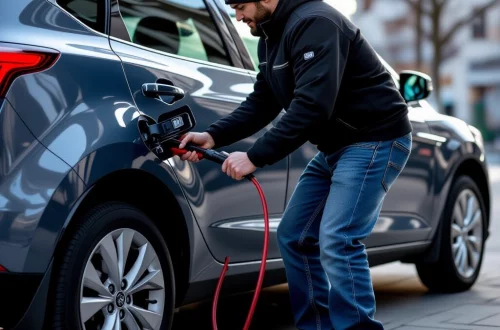
- Charging Infrastructure: Investigate the availability of charging stations in your area, especially if you opt for an electric vehicle.
- Battery Life: The longevity and warranty of the battery are crucial factors. Most manufacturers offer warranties ranging from 8 to 10 years.
- Cost: While EVs and hybrids may have a higher upfront cost, consider the long-term savings on fuel and maintenance.
Popular Models to Consider
Some popular hybrid and electric vehicle models include:
- Tesla Model 3: A top-rated electric vehicle known for its impressive range and performance.
- Toyota Prius: A pioneer in hybrid technology, offering excellent fuel efficiency.
- Ford Mustang Mach-E: An electric SUV that combines performance with practicality.
- Hyundai Kona Electric: A compact SUV with a solid range and great features.
Conclusion
Hybrid and electric vehicles represent the future of transportation. By understanding their benefits and considering key factors before purchasing, you can make an informed decision that aligns with your lifestyle and values. As technology continues to improve, there has never been a better time to explore these eco-friendly options.