


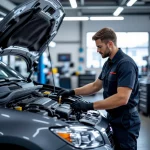


Owning a car comes with its fair share of responsibilities, including the occasional troubleshooting of common issues. Knowing how to identify and resolve these problems can save you time and money, allowing you to keep your vehicle in top condition without always relying on a mechanic. In this guide, we’ll explore some common car problems and provide practical steps for troubleshooting them at home.
1. Check Engine Light
One of the most common issues drivers face is the check engine light turning on. This can be caused by a variety of problems, ranging from a loose gas cap to a serious engine malfunction. Here’s how to troubleshoot:
- Inspect the Gas Cap: Ensure it’s tightly closed. A loose gas cap can trigger the light.
- Use an OBD-II Scanner: Invest in an OBD-II scanner to read error codes. This tool can help pinpoint the issue.
- Seek Professional Help: If the light persists after addressing simple issues, consult a mechanic.
2. Overheating Engine
Overheating can lead to serious engine damage. If your temperature gauge is rising, follow these steps:
- Check Coolant Levels: Open the hood and inspect the coolant reservoir. If it’s low, top it up with the appropriate coolant.
- Inspect for Leaks: Look under the vehicle for any signs of coolant leaks.
- Examine the Radiator: Ensure the radiator is functioning properly and not blocked by debris.
3. Dead Battery
A dead battery is a common issue, especially in extreme weather conditions. Here’s how to troubleshoot:
- Check Battery Connections: Ensure the terminals are clean and securely connected.
- Jump Start the Battery: If the battery is dead, use jumper cables to jump-start it.
- Test the Battery: If your battery frequently dies, it may need to be tested and replaced.
4. Flat Tire
A flat tire can happen at any time. Here’s how to handle it:
- Inspect the Tire: Look for visible damage or foreign objects embedded in the tire.
- Use a Tire Pressure Gauge: Check the tire pressure and inflate it if necessary.
- Change the Tire: If the tire is beyond repair, use your spare to replace it. Make sure to follow safety protocols.
5. Unresponsive Brakes
If your brakes feel unresponsive or spongy, it’s crucial to address this issue immediately:
- Check Brake Fluid Levels: Ensure your brake fluid is at the correct level.
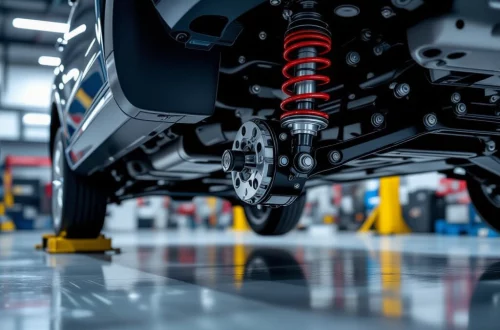
- Inspect for Leaks: Look for any signs of leaking fluid under the vehicle.
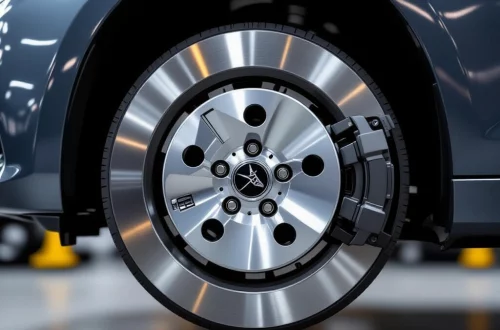
- Assess Brake Pads: Worn brake pads may need to be replaced to restore proper braking function.
By familiarizing yourself with these common car problems and their troubleshooting steps, you can save yourself time and money while ensuring your vehicle remains in great shape. Remember, while some issues can be resolved at home, always consult a professional if you are unsure or if the problem persists.