





Your car’s dashboard is like a command center, providing crucial information about your vehicle’s performance and health. Among the most important features on your dashboard are the warning lights. Understanding these symbols can save you from potential breakdowns and expensive repairs. In this guide, we will explore various dashboard warning lights, their meanings, and what actions you should take when they illuminate.
Common Dashboard Warning Lights
- Check Engine Light: This light indicates a problem with the engine or emission system. It could be a minor issue like a loose gas cap, but it could also signal a more serious problem. Always check your vehicle’s manual for specific guidance.
- Oil Pressure Warning: When this light comes on, it means that your engine oil pressure is low. This could indicate that your oil is low or there is a problem with the oil pump. Stop the vehicle and check the oil level immediately.
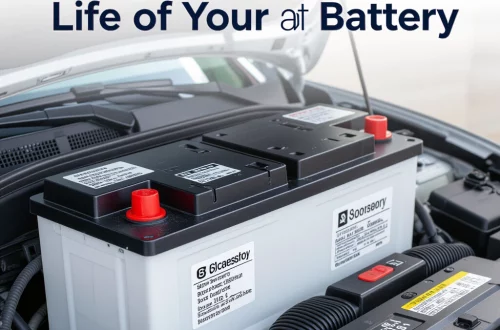
- Battery/Charging Alert: This light signals an issue with your car’s battery or charging system. If it lights up, check for loose battery connections or a malfunctioning alternator.
- Brake Warning Light: This could mean that your parking brake is engaged or there’s a problem with the braking system. If it remains on while driving, it’s crucial to have your brakes inspected as soon as possible.
- Tire Pressure Monitoring System (TPMS): This symbol alerts you to low tire pressure. Check your tire pressure and inflate them to the recommended level to ensure safety and fuel efficiency.
- ABS Warning Light: When this light illuminates, it indicates a problem with the anti-lock braking system. While you can still brake, it’s important to have the system checked promptly.
- Coolant Temperature Warning: This light signifies that your engine is overheating. Pull over safely and let the engine cool down before checking the coolant level.
What to Do When a Warning Light Comes On
When a dashboard warning light activates, it’s essential to take it seriously:
- Don’t Ignore It: Ignoring warning lights can lead to more severe damage or safety issues.
- Consult Your Owner’s Manual: Your vehicle’s manual provides specific information on what each warning light means and recommended actions.
- Check for Other Symptoms: If multiple warning lights are on, or if you notice unusual noises or smells, this may indicate a more significant problem.
- Visit a Professional: If you’re unsure about the cause of a warning light, it’s best to consult with a qualified mechanic who can diagnose the issue accurately.
Conclusion
Your dashboard warning lights are a vital part of your car’s communication system. By understanding what these lights mean and how to respond, you can maintain your vehicle’s performance and safety. Regular maintenance and prompt attention to warning lights will ensure that you enjoy a smooth driving experience.