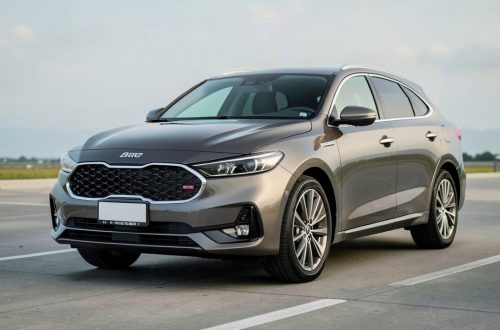
Understanding the Difference Between AWD and FWD
When selecting a new vehicle, one of the key decisions revolves around the type of drivetrain: All-Wheel Drive (AWD) or Front-Wheel Drive (FWD). Both systems offer distinct advantages depending on your driving needs, climate, and lifestyle. Knowing the differences can help you make an informed choice that enhances safety, performance, and driving enjoyment.
What Is FWD and When Is It Ideal?
Front-Wheel Drive (FWD) transmits power to the front wheels. Most compact cars and sedans utilize FWD because of its simplicity, cost-effectiveness, and fuel efficiency. FWD vehicles tend to be lighter and have less drivetrain components, which often results in lower maintenance costs.
- Advantages: Better fuel economy, lower purchase price, simpler maintenance, good traction in dry and wet conditions.
- Limitations: Less effective in snow, mud, or off-road terrains; handles less aggressively on slippery surfaces.
What Is AWD and When Should You Choose It?
All-Wheel Drive (AWD) systems automatically distribute power to all four wheels, providing superior traction and stability. AWD is especially beneficial in adverse weather conditions, off-road adventures, or when driving on uneven terrains. It can be full-time or part-time, depending on the vehicle model.
- Advantages: Enhanced traction on snow, ice, mud, and rough terrain; improved handling and safety in diverse conditions; better off-road capability.
- Limitations: Higher purchase and maintenance costs; increased weight may slightly reduce fuel efficiency.
Factors to Consider When Choosing Between AWD and FWD
To determine which drivetrain suits you best, consider the following:
- Climate and Weather: If you live in a region with harsh winters or frequent rain, AWD offers better safety and control.
- Driving Style: For city commuting and daily errands, FWD is usually sufficient. For outdoor enthusiasts or off-road driving, AWD provides added confidence.
- Budget: FWD vehicles are generally more affordable and economical.
- Vehicle Usage: Consider whether you need a vehicle for snow, off-road adventures, or high-performance driving.
Conclusion
Choosing between AWD and FWD depends on your specific driving conditions, budget, and personal preferences. If you prioritize fuel efficiency and cost savings for city driving, FWD is a practical choice. However, if you require better traction in challenging terrains or adverse weather, AWD offers significant advantages. Evaluate your needs carefully to select the drivetrain that enhances your driving experience and safety.