






As the world shifts towards more sustainable transportation options, electric vehicles (EVs) are becoming increasingly popular. However, many potential buyers are still unsure about the financial incentives available for purchasing an EV. This guide will help you navigate the various tax credits and incentives that can make owning an electric vehicle more affordable.
Understanding EV Tax Credits
One of the most significant advantages of purchasing an electric vehicle is the federal tax credit. This credit can significantly reduce the overall cost of the vehicle. Here’s how it works:
- Eligibility: The federal tax credit applies to new electric vehicles purchased for use in the U.S. The amount of the credit can vary based on the manufacturer and the vehicle’s battery capacity.
- Credit Amount: The federal tax credit can be as high as $7,500, but it may be reduced or eliminated depending on the manufacturer’s sales volume. Once a manufacturer sells 200,000 qualifying vehicles, the credit begins to phase out over time.
- Claiming the Credit: To claim the tax credit, you will need to fill out IRS Form 8834 when filing your federal taxes. Ensure you keep all documentation related to your EV purchase.
State and Local Incentives
In addition to federal tax credits, many states and local governments offer their own incentives to encourage the adoption of electric vehicles. These can include:
- State Tax Credits: Some states offer additional tax credits or rebates for electric vehicle purchases, which can further reduce the overall cost.
- HOV Lane Access: Certain states allow EVs to use high-occupancy vehicle (HOV) lanes, even with a single occupant, which can save time during commutes.
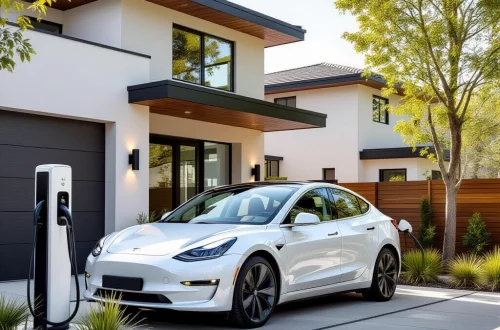
- Charging Station Incentives: Some regions provide incentives for installing home charging stations or may offer free public charging options.
Other Financial Benefits
Beyond tax credits and rebates, there are other financial advantages to owning an electric vehicle:
- Lower Operating Costs: EVs typically have lower maintenance and fuel costs compared to traditional gasoline vehicles, leading to significant savings over time.
- Insurance Discounts: Some insurance companies offer discounts for electric vehicle owners due to their advanced safety features and lower accident rates.
Conclusion
Understanding the tax credits and incentives available for electric vehicles can significantly impact your decision to make the switch. With federal and state benefits, along with lower operating costs, an electric vehicle can be a smart and economical choice. Be sure to research the specific incentives available in your area and consult with a tax professional to maximize your savings.