





As the automotive landscape continues to evolve, the debate between electric cars and gasoline cars becomes increasingly relevant. Each type of vehicle offers unique benefits and challenges, making it essential for consumers to understand the differences before making a purchase. In this ultimate guide, we will compare electric cars and gasoline cars across various dimensions, including performance, cost, environmental impact, and convenience.
Performance
When it comes to performance, electric cars often have the upper hand. They provide instantaneous torque, which translates to faster acceleration. For instance, many electric vehicles (EVs) can go from 0 to 60 mph in just a few seconds. However, gasoline cars have a long-standing reputation for high-speed performance on highways and racetracks.
Cost of Ownership
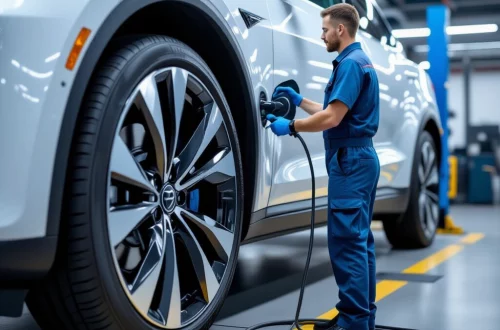
Cost is a significant factor in the decision-making process. While electric cars typically have a higher upfront cost, they often save money in the long run due to lower fuel prices and reduced maintenance costs. Gasoline cars, on the other hand, may have an initial lower price but can incur higher expenses over time due to fuel prices and more frequent repairs.
Environmental Impact
Electric cars are often marketed as the environmentally friendly choice. They produce zero tailpipe emissions, contributing to cleaner air. However, the overall environmental impact depends on how the electricity is generated. Gasoline cars emit greenhouse gases and other pollutants, which significantly contribute to climate change.
Convenience and Infrastructure
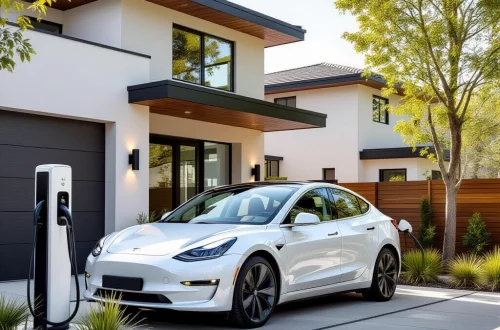
One of the primary concerns for potential EV owners is charging infrastructure. While the number of charging stations is increasing, gasoline cars still have the advantage in terms of convenience, as refueling takes only a few minutes and is widely accessible. In contrast, charging an electric vehicle can take anywhere from 30 minutes at a fast charger to several hours at home.
Technology and Features
Electric cars often come equipped with the latest technology, including advanced driver-assistance systems and connectivity features. Many manufacturers prioritize innovation in EVs, leading to a more modern driving experience. Gasoline cars also offer advanced technology but may not have the same level of integration as their electric counterparts.
Conclusion
Ultimately, the choice between electric cars and gasoline cars depends on individual needs and preferences. Electric vehicles provide numerous advantages in terms of performance, cost savings, and environmental impact, while gasoline cars still hold the edge in convenience and availability. As technology advances and infrastructure improves, the gap between the two will likely narrow, making it crucial for consumers to stay informed and make educated decisions.