






Enhance Your Car’s Aerodynamics: Top Tips for Better Performance
Optimizing your vehicle’s aerodynamics can significantly improve fuel efficiency, handling, and overall performance. Whether you’re a car enthusiast or looking to make your daily driver more efficient, understanding and implementing aerodynamic improvements is essential. Here are some proven tips to help you reduce drag and boost your car’s aerodynamic profile.
1. Lower Your Car’s Ride Height
One of the simplest ways to enhance aerodynamics is to lower your car’s ride height. A lower stance reduces the amount of air flowing underneath the vehicle, decreasing drag and turbulence. Consider installing adjustable coilovers or lowering springs, but ensure your modifications maintain proper ground clearance to avoid issues on uneven surfaces.
2. Install a Front Splitter
A front splitter directs airflow away from the underside of the car, reducing lift and increasing stability at high speeds. This component helps create a high-pressure area on top of the splitter, effectively pushing the car down and improving grip during cornering. Make sure to choose a splitter compatible with your vehicle’s make and model.
3. Use a Rear Spoiler or Diffuser
Adding a rear spoiler or diffuser can significantly influence airflow at the back of your car. Spoilers help manage airflow to reduce drag, while diffusers accelerate airflow underneath the car, creating downforce. Both accessories contribute to better handling and stability, especially at higher speeds.
4. Keep Your Exterior Clean and Smooth
A cluttered or dirty exterior increases aerodynamic drag. Regularly wash your car and remove any unnecessary roof racks, bike carriers, or roof boxes when not in use. Consider smoothing out rough surfaces and repairing dents or uneven paint to maintain a streamlined profile.
5. Opt for Aerodynamic Wheels and Tires
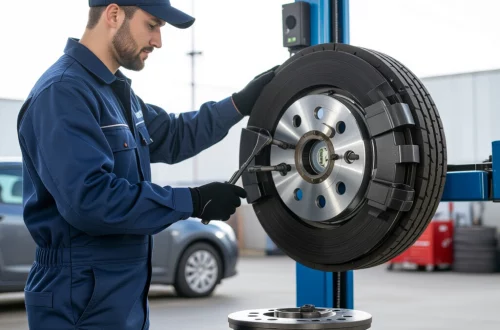
Wheels and tires with aerodynamic designs can reduce turbulence around the wheel wells. Low-profile tires and lightweight alloy wheels not only improve the car’s aesthetics but also contribute to better airflow. Avoid oversized or bulky wheel designs that can increase drag.
6. Use Aerodynamic Accessories and Body Kits
There are numerous aftermarket accessories designed to improve aerodynamics, including side skirts, rear diffusers, and vented hoods. When choosing these parts, ensure they are designed specifically for your vehicle to maximize effectiveness without compromising safety or aesthetics.
Conclusion
Improving your car’s aerodynamics involves a combination of strategic modifications and regular maintenance. By lowering your ride height, adding aerodynamic components, and maintaining a clean exterior, you can achieve better performance, fuel economy, and handling. Remember to consult with automotive professionals before making significant modifications to ensure compatibility and safety.