






Understanding Car Noise and Vibration
Driving should be a comfortable experience, but noise and vibrations can significantly affect your in-car comfort. These issues often stem from engine components, road contact, or insufficient insulation. Fortunately, there are practical ways to minimize these disturbances and enjoy a quieter, smoother ride.
Identify the Main Sources of Noise and Vibration
Before implementing any solutions, it’s important to determine where the noise and vibrations originate. Common sources include:
- Engine and exhaust system
- Road surface contact and tire issues
- Suspension and shock absorbers
- Interior panels and insulation
Practical Tips to Reduce Car Noise and Vibration
1. Upgrade Your Insulation and Soundproofing
Adding sound-deadening materials to doors, floors, and the trunk can significantly reduce external noise. Products like mass-loaded vinyl, foam mats, and specialized automotive insulation absorb vibrations and block sound transmission.
2. Maintain and Replace Worn Suspension Components
Worn shocks or struts can cause excessive vibrations. Regular inspection and replacement of these parts ensure smoother handling and less rattling or vibration transmission to the cabin.
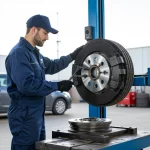
3. Balance and Rotate Tires Regularly
Imbalanced tires cause vibrations at certain speeds. Proper balancing and rotation not only improve ride quality but also prolong tire life.
4. Check and Maintain Exhaust System
Loose or damaged exhaust components can create loud noises and vibrations. Ensure exhaust hangers are secure and replace any damaged parts to minimize noise pollution.
5. Use Vibration Dampening Materials
Applying damping mats or sprays to panels and structural parts can absorb vibrations, especially in the doors and floor panels, resulting in a quieter interior environment.
6. Ensure Proper Tire Pressure and Alignment
Incorrect tire pressure or misalignment increases road contact noise and vibrations. Regularly check and maintain optimal tire pressure and alignment settings.
Additional Tips for a Quieter Ride
- Drive on smoother roads whenever possible.
- Reduce speed to minimize road noise and vibrations at higher speeds.
- Install noise-canceling or sound-absorbing accessories designed for automotive use.
By applying these strategies, you can effectively reduce car noise and vibration, making your driving experience more comfortable and enjoyable. Regular maintenance combined with targeted upgrades ensures your vehicle remains quiet and smooth on every journey.