The Future of Electric Cars: Key Predictions and Innovations
The automotive industry is undergoing a dramatic transformation, with electric vehicles (EVs) leading the charge towards a cleaner, more sustainable future. As technology advances rapidly, experts predict significant innovations that will shape the way we drive and think about transportation in the coming years.
Major Predictions for Electric Car Development
1. Increased Range and Faster Charging
One of the primary concerns for potential EV buyers has always been range anxiety. However, recent breakthroughs in battery technology, such as solid-state batteries, promise to deliver much higher energy densities. This will enable electric cars to travel further on a single charge—potentially over 400 miles—and charge much faster, often in less than 15 minutes.
2. Widespread Adoption and Market Growth
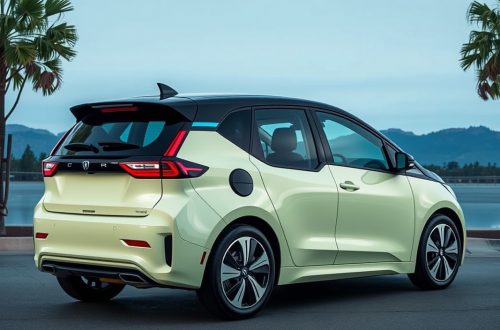
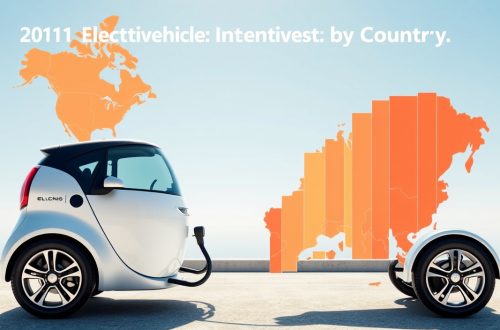
As costs decrease and infrastructure improves, EV adoption is expected to accelerate globally. Governments are implementing stricter emission regulations and offering incentives to encourage electric vehicle use, leading to a broader market penetration across all segments—from compact city cars to luxury SUVs.
Innovations Driving the Electric Vehicle Revolution
- Battery Technology: Advances in solid-state, lithium-silicon, and other next-generation batteries will significantly reduce costs and improve longevity.
- Autonomous Electric Vehicles: Integration of autonomous driving systems with electric powertrains will revolutionize personal and commercial transportation, making travel safer and more efficient.
- Smart Charging Infrastructure: Development of smart grids and wireless charging options will facilitate seamless charging experiences, reducing downtime and enhancing convenience.
- Vehicle-to-Grid (V2G) Technology: Future EVs will not only draw power from the grid but also feed energy back, supporting renewable energy integration and grid stability.
Impact on Car Design and Lifestyle
Electric cars are expected to influence car design profoundly. With fewer moving parts and no need for traditional exhaust systems, manufacturers will have more freedom to innovate in aerodynamics, interior space, and customization options. Furthermore, EV owners will benefit from smarter car life hacks, such as remote diagnostics, over-the-air updates, and integrated home charging solutions, making electric vehicle ownership more convenient and cost-effective.
Conclusion
The future of electric cars is promising, with technological innovations addressing current limitations and opening new possibilities for sustainable, efficient, and smarter transportation. As these predictions come to fruition, electric vehicles will become an integral part of our daily lives, transforming the automotive landscape forever.