


The rise of electric vehicles (EVs) has sparked a myriad of discussions and debates, often leading to the proliferation of myths and misconceptions. As more consumers consider making the switch to electric, it’s crucial to separate fact from fiction. Here, we debunk some of the most common electric car myths that may be holding you back from embracing this innovative technology.
Myth 1: Electric Cars Are Too Expensive
Many people believe that electric cars are prohibitively expensive compared to their gasoline counterparts. While it’s true that the initial purchase price can be higher, it’s essential to consider the total cost of ownership. Electric vehicles generally have lower operating costs, thanks to reduced fuel expenses and less frequent maintenance requirements. Additionally, various government incentives and tax credits can significantly offset the purchase price.
Myth 2: Electric Cars Have Limited Range
Range anxiety is a common concern for potential EV buyers. However, advancements in battery technology have significantly increased the range of electric vehicles. Many modern EVs now offer ranges exceeding 250 miles on a single charge, making them suitable for most daily driving needs. Furthermore, the expanding network of charging stations continues to alleviate concerns about long-distance travel.
Myth 3: Charging Takes Too Long
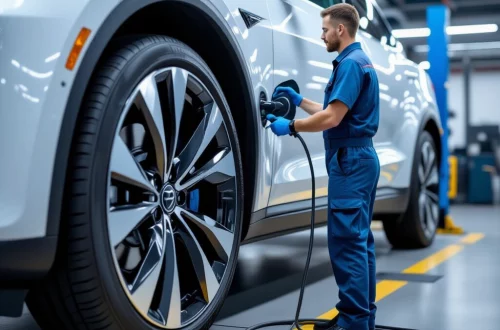
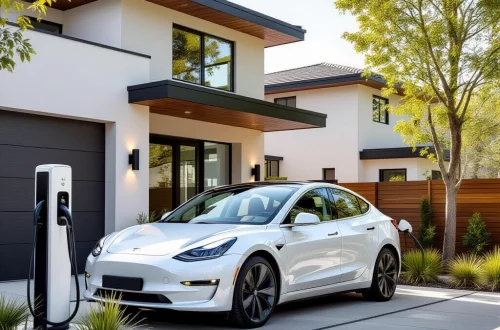
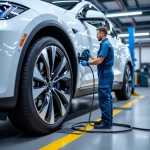
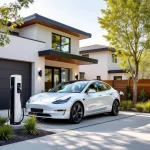
While it’s true that charging an electric car may take longer than refueling a gasoline vehicle, the process has become increasingly convenient. Many EV owners charge their cars at home overnight, ensuring a full battery every morning. Fast-charging stations are also becoming more widespread, allowing drivers to charge their vehicles to 80% in as little as 30 minutes.
Myth 4: Electric Cars Are Not Environmentally Friendly
Some skeptics argue that electric cars are not as environmentally friendly as they seem, citing the emissions produced during battery manufacturing and electricity generation. While it’s important to acknowledge these factors, studies show that electric vehicles typically produce lower lifetime emissions compared to conventional gasoline vehicles, especially as renewable energy sources become more prevalent in the grid.
Myth 5: Electric Cars Lack Performance
Contrary to the belief that electric cars are slow and lack power, many EVs offer impressive acceleration and handling. Electric motors provide instant torque, resulting in quick and responsive performance. Models like the Tesla Model S and the Porsche Taycan have proven that electric vehicles can compete with and even outperform traditional sports cars.
Conclusion
As the automotive landscape continues to evolve, understanding the realities of electric vehicles is essential for consumers. By debunking these common myths, we hope to empower you to make informed decisions about your next vehicle. Electric cars are not just a passing trend; they represent the future of sustainable transportation.