Electric Car vs Hybrid: Which Is Better for Your Lifestyle?
As the automotive industry shifts towards eco-friendly solutions, many drivers are faced with the choice between electric cars (EVs) and hybrid vehicles. Understanding the differences, advantages, and limitations of each can help you decide which option aligns best with your driving habits and environmental goals.
What Is an Electric Car?
Electric cars run solely on electricity stored in batteries. They are powered by electric motors and produce zero tailpipe emissions, making them an environmentally friendly choice. EVs require charging from an external power source, such as home chargers or public charging stations.
What Is a Hybrid Car?
Hybrid vehicles combine a traditional internal combustion engine with an electric motor. They can switch between petrol/diesel and electric power, or use both simultaneously, to optimize fuel efficiency. Hybrids typically do not require external charging, as they recharge their batteries through regenerative braking and engine power.
Advantages of Electric Cars
- Zero Emissions: EVs produce no tailpipe pollutants, contributing to cleaner air.
- Lower Operating Costs: Electricity is generally cheaper than fuel, and EVs have fewer moving parts, reducing maintenance expenses.
- Performance: Instant torque provides quick acceleration and a smooth driving experience.
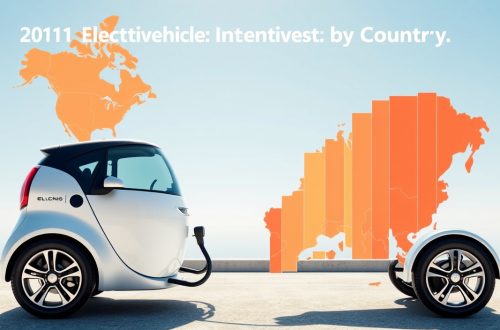
- Incentives: Many governments offer tax credits and incentives for EV buyers.
Advantages of Hybrid Cars
- Fuel Efficiency: Hybrids often consume less fuel than traditional gasoline vehicles, especially in stop-and-go city driving.
- No Need for External Charging: They recharge automatically, making them convenient for drivers without access to charging stations.
- Extended Range: Hybrids can travel longer distances without refueling or recharging, ideal for long trips.
- Lower Upfront Cost: Generally, hybrids are less expensive than fully electric cars.
Which Is Better for You?
The choice between an electric car and a hybrid depends on your driving habits, infrastructure, and environmental priorities:
- For city dwellers with easy access to charging stations: Electric cars are a great choice, offering zero emissions and lower running costs.
- For long-distance commuters or those lacking charging infrastructure: Hybrids offer the convenience of longer range without reliance on charging stations.
- Environmental impact: EVs are the cleaner option if your primary concern is reducing carbon footprint.
- Budget considerations: Hybrids may be more affordable upfront and easier to maintain for some drivers.
Conclusion
Both electric and hybrid cars represent significant steps toward sustainable mobility. Your choice should align with your daily driving needs, access to charging infrastructure, and environmental values. As technology advances and charging networks expand, electric cars are becoming increasingly practical for more drivers, but hybrids remain a reliable and efficient bridge to a greener future.