






Introduction
Electric vehicles (EVs) are rapidly gaining popularity due to their eco-friendliness and innovative technology. As with traditional cars, safety features in electric cars are essential to ensure driver and passenger protection. Understanding these features can help you make informed decisions when purchasing or driving an EV. Here are some of the most important electric car safety features you should be aware of.
1. Battery Management Systems (BMS)
The backbone of an electric car’s safety is its Battery Management System (BMS). This system monitors the health and performance of the battery, preventing overheating, overcharging, and deep discharges that could lead to dangerous failures or fires. Advanced BMS can alert drivers to potential issues before they become critical, ensuring safe operation.
2. Crash-Absorption Battery Placement
Many electric vehicles place their batteries in specially reinforced areas underneath the floor. This crash-absorption design protects the battery from impact during collisions, reducing the risk of fire or battery damage. Proper placement and reinforcement are crucial safety features unique to EVs.
3. Emergency Shut-off Systems
Modern electric cars are equipped with emergency shut-off systems that disconnect the battery from the drivetrain in the event of a crash or malfunction. This feature minimizes the risk of electrical fires and other hazards by quickly cutting power when needed.
4. Advanced Driver-Assistance Systems (ADAS)
- Automatic Emergency Braking (AEB): Detects obstacles and automatically applies brakes to prevent collisions.
- Adaptive Cruise Control: Maintains safe following distances, reducing driver fatigue and accident risk.
- Lane Keep Assist: Helps keep the vehicle within lane markings, avoiding unintended lane departures.
- Blind Spot Detection: Alerts drivers to vehicles in their blind spots, enhancing safety during lane changes.
5. High-Voltage Safety Features
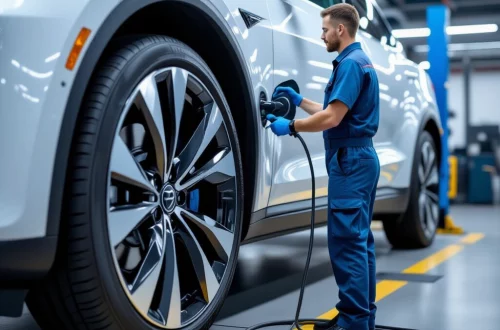
Electric cars incorporate multiple safety measures for high-voltage components, including insulating covers, interlock systems, and safety disconnects. These features prevent accidental contact with high-voltage parts and ensure safe maintenance and emergency handling.
6. Over-the-Air Updates and Diagnostics
Many EV manufacturers provide over-the-air updates that improve safety features and fix vulnerabilities remotely. Regular diagnostics help identify potential issues early, maintaining the safety integrity of the vehicle over its lifespan.
Conclusion
Electric cars are equipped with a host of innovative safety features designed to protect occupants and bystanders. From advanced battery management to driver assistance systems, these technologies ensure that EVs are as safe as, if not safer than, traditional vehicles. Staying informed about these features can help you drive confidently and make the most of your electric vehicle’s capabilities.