Introduction
Electric cars (EVs) are revolutionizing urban transportation, offering cleaner, more efficient, and more sustainable mobility solutions. As cities worldwide face increasing congestion and pollution, EVs present a promising alternative to traditional internal combustion engine vehicles.
The Benefits of Electric Cars in Cities
Reduced Air Pollution: EVs produce zero tailpipe emissions, significantly lowering urban air pollution levels. This contributes to healthier living environments and improved public health.
Decreased Noise Pollution: Electric motors operate silently, reducing noise levels in busy city areas and improving quality of life for residents.
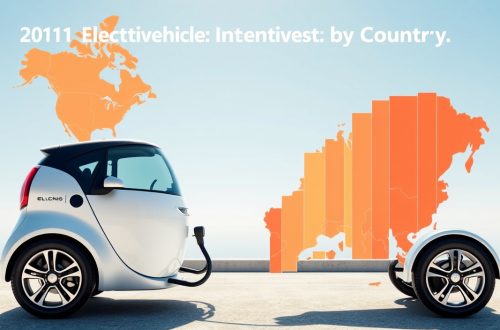
Cost Savings: Lower fuel and maintenance costs make EVs financially attractive for city dwellers. Many cities also offer incentives and subsidies to promote electric vehicle adoption.
Impact on Urban Infrastructure
Electric cars are prompting cities to develop new infrastructure, such as widespread charging stations and smart grid systems. This transition encourages the integration of renewable energy sources, further enhancing sustainability.
Advancements in Urban Mobility
- Shared Electric Fleets: Ride-sharing services and public transportation agencies are adopting electric vehicles, reducing the number of cars on the road and easing congestion.
- Autonomous Electric Vehicles: The combination of electrification and automation is paving the way for efficient, driverless urban transport options.
- Last-Mile Delivery: Electric delivery bikes and vans are transforming parcel distribution, making it faster and more eco-friendly.
Challenges and Future Outlook
Despite the benefits, challenges such as limited range, charging infrastructure gaps, and high initial costs remain. However, continuous technological advancements and supportive policies are expected to accelerate the adoption of electric cars in cities worldwide.
In conclusion, electric cars are not just a trend but a fundamental shift in urban mobility. They are helping cities become cleaner, quieter, and more sustainable, shaping the future of transportation for generations to come.