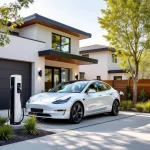






Electric vehicles (EVs) are becoming increasingly popular due to their environmental benefits and lower operating costs. However, like any vehicle, they require regular maintenance to ensure optimal performance and longevity. Creating a detailed maintenance schedule for your electric vehicle is essential to keep it running smoothly and efficiently. Here’s how to get started.
Understand Your Vehicle’s Requirements
Before you can create a maintenance schedule, it’s crucial to understand the specific requirements for your electric vehicle. Consult the owner’s manual for manufacturer recommendations regarding maintenance intervals and procedures.
Key Maintenance Areas
Focus on the following key areas when developing your maintenance schedule:
- Battery Care: Regularly check the battery’s health and capacity. Most manufacturers recommend a battery inspection every 12 months.
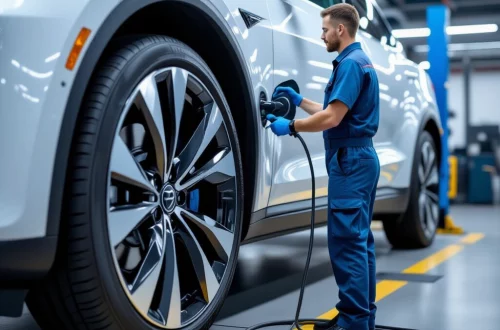
- Tire Maintenance: Monitor tire pressure monthly and rotate tires every 5,000 to 7,500 miles to ensure even wear.
- Brake System: While EVs use regenerative braking, it’s essential to inspect brake pads and fluid at least once a year.
- Cooling System: Ensure that the cooling system for the battery and motor is functioning properly. Check coolant levels and replace as recommended.
- Software Updates: Regularly check for software updates from the manufacturer to ensure your vehicle’s systems operate smoothly.
- Filters: Replace cabin air filters and other relevant filters as per the manufacturer’s guidelines.
Creating the Schedule
Once you understand the essential maintenance tasks, you can create a schedule. Here’s a simple framework:
- Monthly: Check tire pressure, inspect lights, and monitor battery levels.
- Every 6 Months: Rotate tires, check brake fluid and coolant levels, and inspect the cabin air filter.
- Annually: Comprehensive battery check, brake inspection, and software updates.
Use Technology to Your Advantage
Consider using apps or online tools to help you track maintenance tasks and reminders. Many EV manufacturers also provide apps that can notify you of upcoming maintenance needs based on your driving habits.
Conclusion
Creating a detailed maintenance schedule for your electric vehicle is a straightforward process that can significantly enhance your ownership experience. By staying on top of essential maintenance tasks, you can ensure your EV operates efficiently and reliably for years to come.