



Understanding your car’s warning lights is crucial for maintaining its performance and ensuring your safety on the road. These lights act as your vehicle’s communication system, providing essential information about its health. In this article, we will guide you on how to decode these warning lights and what actions to take when they illuminate.
Common Warning Lights and Their Meanings
Most vehicles come equipped with a standardized set of warning lights. Here are some of the most common ones:
- Check Engine Light: This light can indicate a range of issues, from a loose gas cap to serious engine problems. It’s best to consult a mechanic if this light comes on.
- Oil Pressure Warning: If this light illuminates, it means that your engine oil pressure is low, which could lead to severe engine damage. Check your oil level immediately.
- Battery Warning: This light suggests that your vehicle’s charging system is malfunctioning. You may need to check the battery or alternator.
- Brake Warning: If this light appears, it could indicate that your brake fluid is low or that there’s an issue with the braking system. Don’t ignore this warning.
- Tire Pressure Warning: This light alerts you to low tire pressure. Maintaining proper tire pressure is essential for safety and fuel efficiency.
What to Do When a Warning Light Comes On
When a warning light illuminates, it’s important to take the appropriate steps:
- Stay Calm: Do not panic. Most warning lights are not immediate emergencies, but they do require attention.
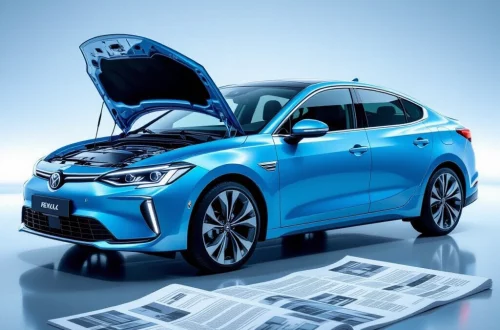
- Refer to Your Owner’s Manual: Your car’s manual will have specific information about each warning light and recommended actions.
- Check for Symptoms: Pay attention to any changes in performance, strange noises, or smells, as these can indicate the severity of the issue.
- Consult a Professional: If you’re unsure about the problem, it’s wise to seek help from a qualified mechanic.
Preventive Measures
To avoid dealing with warning lights in the first place, consider these preventive measures:
- Regular Maintenance: Keeping up with your car’s scheduled maintenance can help prevent issues that trigger warning lights.
- Monitor Fluid Levels: Regularly check your oil, brake fluid, and coolant levels to ensure everything is within the recommended range.
- Inspect Tires: Check tire pressure and tread regularly to maintain optimal performance and safety.
In conclusion, understanding and properly responding to your car’s warning lights can save you time, money, and ensure your safety on the road. Always stay informed about your vehicle’s needs and don’t hesitate to seek professional help when necessary.