






Introduction: Why Regular Coolant Replacement Matters
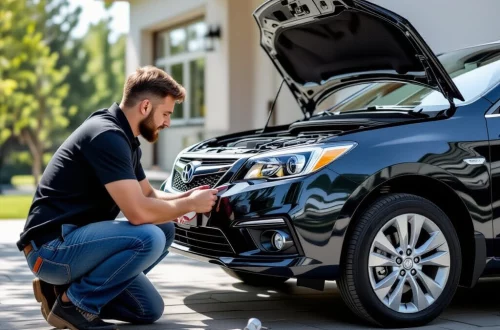
Maintaining your vehicle’s cooling system is essential for optimal performance and engine longevity. Regularly flushing and replacing the coolant helps prevent overheating, corrosion, and engine damage. In this guide, we’ll walk you through the process of flushing and replacing your car’s coolant safely and effectively.
Tools and Materials Needed
- New coolant (refer to your vehicle’s manual for the right type and amount)
- Drain pan
- Wrench or socket set
- Funnel
- Distilled water (if needed for flushing)
- Gloves and safety glasses
- Rags or towels
- Coolant flush product (optional)
Step 1: Prepare Your Vehicle
Ensure your engine is cool before starting. Park your car on a level surface, engage the parking brake, and turn off the engine. Wear gloves and safety glasses for protection.
Step 2: Drain the Old Coolant
Locate the radiator drain plug, usually at the bottom of the radiator. Place the drain pan underneath and carefully open the drain plug using the appropriate wrench. Allow the old coolant to completely drain out. Be cautious, as coolant is toxic and should be disposed of properly.
Step 3: Flush the Cooling System
Close the drain plug and fill the radiator with distilled water or a coolant flush product according to the manufacturer’s instructions. Start the engine and let it run for about 10-15 minutes to circulate the flush solution. Turn off the engine and allow it to cool. Then, drain the flush water completely.
Step 4: Refill with New Coolant
Close the drain plug securely. Using a funnel, pour the new coolant into the radiator until it reaches the specified level. Some vehicles have a coolant reservoir; fill it up to the indicated mark. Start the engine and let it run with the radiator cap off to remove air bubbles, topping up as needed.
Step 5: Check for Leaks and Proper Operation
Inspect around the drain plug and hoses for leaks. Close the radiator cap securely and run the engine for a few minutes. Check the temperature gauge to ensure the engine is not overheating. Once cooled, recheck the coolant level and top off if necessary.
Additional Tips
- Always dispose of old coolant responsibly, taking it to a recycling center.
- Consult your vehicle’s manual for specific coolant types and replacement intervals.
- Perform this maintenance every 2-5 years or as recommended by your vehicle manufacturer.
Conclusion
Flushing and replacing your car’s coolant is a straightforward maintenance task that can significantly extend your engine’s lifespan and improve performance. Regular coolant changes help prevent costly repairs and keep your vehicle running smoothly. Follow these steps to ensure your cooling system remains in top condition.