





How to Install a Home EV Charging Station: A Step-by-Step Guide
With the growing popularity of electric vehicles (EVs), many car owners are choosing to install a home charging station for convenience and faster charging. If you’re considering setting up an EV charger at your residence, this comprehensive guide will walk you through the essential steps to ensure a safe and efficient installation.
Understanding Your Charging Options
Before beginning the installation process, it’s important to understand the types of home EV chargers available:
- Level 1 Chargers: Use a standard 120V outlet, suitable for overnight charging but slow for daily use.
- Level 2 Chargers: Require a 240V outlet, offering faster charging times and more convenience.
Most homeowners opt for Level 2 chargers due to their efficiency and speed.
Step 1: Check Your Electrical System
Ensure your home’s electrical system can support a Level 2 charger. This often involves:
- Inspecting your main electrical panel for available capacity.
- Consulting a licensed electrician to evaluate if your system needs an upgrade.
Step 2: Obtain Necessary Permits
Local building codes may require permits for installing a high-voltage electrical outlet. Contact your municipality or local authorities to understand the requirements and secure any necessary approvals.
Step 3: Choose the Right Charger
Select a certified EV charging station compatible with your vehicle’s make and model. Consider features like weather resistance, cable length, and smart connectivity options.
Step 4: Hire a Licensed Electrician
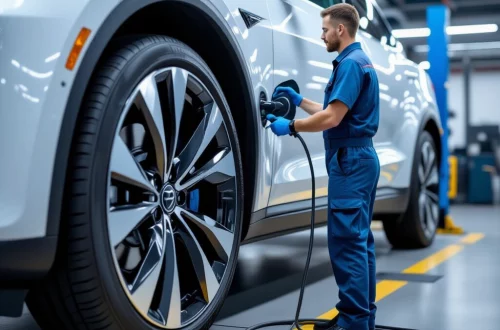
Professional installation is crucial for safety and compliance. A licensed electrician will:
- Install the dedicated 240V outlet or hardwired charger.
- Ensure proper grounding and wiring.
- Test the system thoroughly before use.
Step 5: Install the Charging Station
The electrician will mount the charger on an appropriate wall, connect it to the electrical supply, and verify its functionality. Make sure to choose a location that’s easily accessible and protected from the elements, if outdoors.
Step 6: Final Checks and Usage
After installation:
- Follow the manufacturer’s setup instructions for your specific charger.
- Test the system with your EV to ensure proper operation.
- Keep the manual and contact information for troubleshooting.
By following these steps, you can enjoy the convenience of charging your electric vehicle at home safely and efficiently. Remember, always prioritize professional help for electrical work to ensure compliance and safety standards are met.