Introduction
Staying on top of your car’s oil change schedule is crucial for maintaining optimal engine performance and extending the vehicle’s lifespan. However, many car owners stick to generic intervals that might not suit their driving habits or the specific conditions their vehicle encounters. In this article, we’ll explore practical ways to hack your car’s oil change schedule, helping you save money, avoid unnecessary trips to the service center, and keep your engine running smoothly.
Understand Your Vehicle’s Needs
Every car is different, and so is its oil change requirement. Factors such as driving style, climate, and road conditions influence how often your engine needs fresh oil. Modern vehicles often come with built-in sensors or dashboards indicating oil health, but understanding the basics can empower you to optimize your schedule.
Utilize Oil Life Monitoring Systems
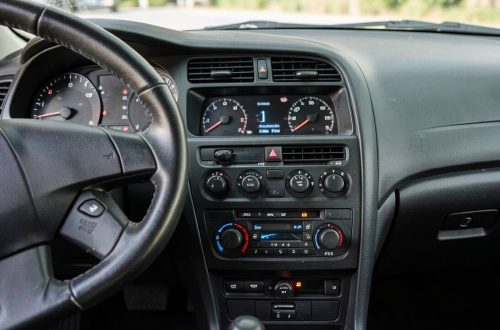
Many newer cars are equipped with oil life monitoring systems. These systems analyze driving patterns, engine temperature, and oil quality to give precise notifications when an oil change is needed. Regularly check your vehicle’s dashboard for these alerts and follow the recommendations instead of sticking to fixed intervals.
Adopt the “Smart” Oil Change Strategy
- Regularly check oil levels: Use the dipstick to monitor oil quantity and quality between scheduled changes.
- Inspect oil color and consistency: Dark, gritty, or milky oil signals the need for an earlier change.
- Follow manufacturer guidelines: Consult your owner’s manual for the recommended intervals based on your driving conditions.
- Account for driving habits: If you frequently drive in stop-and-go traffic, tow heavy loads, or drive in extreme temperatures, consider changing oil more frequently.
Leverage Technology and Apps
There are numerous automotive apps and digital tools that help track your vehicle’s maintenance schedule. These apps can send reminders, record oil change history, and even provide tailored advice based on your driving data, making it easier to hack your oil change schedule effectively.
Optimize Oil Type and Quality
Using high-quality synthetic oils can extend the interval between oil changes. These oils are more resistant to breakdown and perform better under extreme conditions, allowing you to go longer between oil changes without risking engine damage.
Conclusion
Hacking your car’s oil change schedule isn’t about skipping necessary maintenance but about making it smarter and more tailored to your driving habits. By understanding your vehicle’s needs, utilizing modern technology, and paying attention to oil quality, you can maintain engine health while saving time and money. Remember, regular oil changes are essential, but with these strategies, you can optimize their timing for a smoother, more efficient ride.