Introduction
Are you concerned about your car’s speedometer showing inaccurate readings? Whether you want to ensure compliance with speed limits or improve your driving experience, accurately calibrated speedometers are essential. While professional calibration is recommended, some car enthusiasts explore methods to tweak their speedometers for better precision. In this article, we’ll discuss how to hack your car’s speedometer safely and effectively.
Understanding Your Speedometer
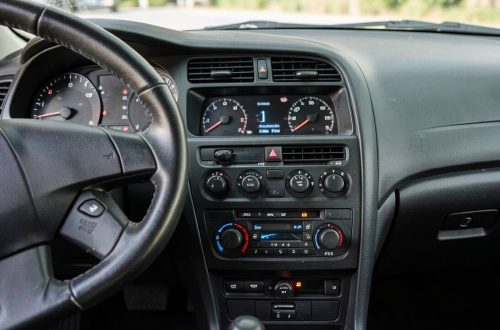
Before attempting any modifications, it’s important to understand how your speedometer works. It relies on a vehicle speed sensor (VSS) that sends electronic signals to the speedometer gauge. The accuracy depends on the calibration of these signals and the gear ratios in your drivetrain. Factors like tire size, gear changes, and electronic calibration can affect speed readings.
Tools and Precautions
- OBD-II Scanner or Programmer
- Basic knowledge of your car’s electronics
- Proper safety gear
- Patience and caution
Note: Modifying your speedometer can affect your vehicle’s warranty and legality. Always check local laws and consider professional calibration for best results.
Steps to Hack Your Speedometer
1. Verify Actual Speed
First, compare your speedometer reading with a GPS device or a smartphone app that provides accurate speed data. Drive at a steady speed for consistency.
2. Access the Vehicle’s ECU or Speedometer Settings
Use an OBD-II scanner or programmer compatible with your vehicle to access the ECU (Engine Control Unit). Some cars allow calibration adjustments through dedicated software or even through the vehicle’s onboard menu.
3. Adjust the Speedometer Calibration
If your vehicle’s software permits, find the calibration or speedometer setting. You may need to input a correction factor based on the difference between actual speed and displayed speed. For example, if your GPS shows 60 mph but your speedometer reads 63 mph, you need to decrease the displayed speed slightly.
4. Implement the Changes
Apply the correction factor and save the settings. Restart your vehicle and verify the new calibration with your GPS device.
5. Fine-Tune if Necessary
Repeat the process until your speedometer reflects the actual speed accurately. Remember that small adjustments can make a big difference.
Additional Tips and Warnings
- Always back up your vehicle’s ECU data before making changes.
- Consult your car’s manual or manufacturer for specific calibration procedures.
- Be aware that some modern cars have digital speedometers that are not easily hackable without specialized tools.
- Consider professional calibration if you are unsure about making modifications yourself.
Conclusion
Hacking your car’s speedometer for better accuracy can be a rewarding project if done carefully. By understanding your vehicle’s electronics, using the right tools, and following safe procedures, you can achieve more reliable speed readings. Always prioritize safety and legality, and when in doubt, seek professional assistance to ensure your modifications are effective and compliant with regulations.