Introduction
Strange noises coming from your car can be alarming, but not all sounds indicate serious problems. Recognizing the type and source of these noises is essential for timely maintenance and safety. In this guide, we’ll explore how to identify common strange car noises and provide practical solutions to fix them.
Common Types of Car Noises and Their Causes
- Squealing or Screeching: Often due to worn or loose belts, or brake issues.
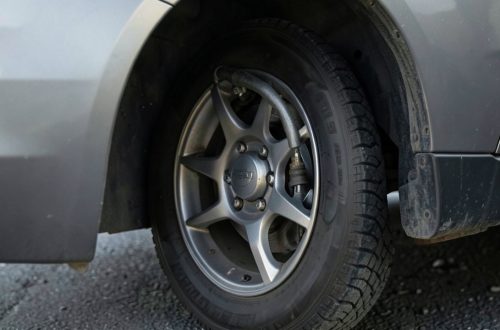
- Grinding: Usually indicates brake problems or issues with wheel bearings.
- Clunking or Banging: Might be caused by suspension components or loose parts.
- Whining or Whirring: Typically related to power steering, transmission, or differential issues.
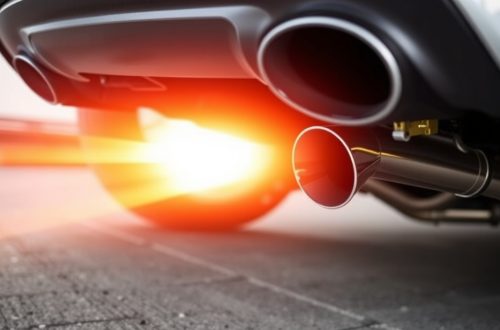
- Rattling: Could stem from exhaust system problems, loose panels, or internal engine components.
How to Diagnose Car Noises
Accurately diagnosing the source of strange noises involves careful observation:
- Note when the noise occurs: During acceleration, braking, turning, or idling.
- Identify the sound pattern: Is it a squeal, grind, clunk, or rattle?
- Check the location: Front, rear, under the hood, or underneath the vehicle.
- Observe accompanying symptoms: Vibration, loss of power, or warning lights.
Steps to Fix Common Car Noises
Once you’ve identified the likely cause, follow these steps:
- Replace worn belts: If belts squeal, inspect and replace them to restore proper function.
- Brake maintenance: Have brake pads, rotors, and calipers checked and replaced if necessary.
- Check suspension components: Tighten or replace worn shocks, struts, or bushings.
- Inspect wheel bearings: Replace if they produce grinding or humming sounds.
- Examine exhaust system: Tighten loose parts or repair leaks that cause rattling or loud noises.
- Address fluid leaks: Low or contaminated fluids can cause whines; top up or flush as needed.
When to Seek Professional Help
Some noises require expert diagnosis and repair. If you experience persistent or worsening sounds, or if you’re unsure about the cause, consult a professional mechanic. Regular maintenance checks can prevent many issues and keep your vehicle running smoothly.
Conclusion
Identifying and fixing strange car noises is essential for vehicle safety and longevity. By paying attention to the type, timing, and location of the sounds, and following proper diagnostic steps, you can address many issues yourself or know when to seek professional assistance. Stay attentive to your car’s sounds, and enjoy a safer, more comfortable driving experience.