





As winter approaches, ensuring your vehicle is ready for the colder, harsher driving conditions is crucial. Preparing your car for winter not only enhances your safety but also improves your car’s performance in challenging weather. Here’s a comprehensive guide on how to prepare your car for winter driving conditions.
1. Check Your Tires
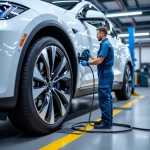
Tires are your car’s only contact with the road, making them a vital component for winter safety. Here’s what you should do:
- Inspect Tread Depth: Ensure your tires have adequate tread depth. A minimum of 3/32 of an inch is recommended for winter driving.
- Consider Winter Tires: If you live in an area with heavy snowfall, investing in a set of winter tires is wise. They provide better traction on icy and snowy roads.
- Check Tire Pressure: Cold weather can lower tire pressure, so check it regularly and inflate your tires to the recommended levels.
2. Battery Maintenance
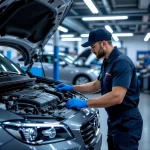
Cold weather can significantly affect your car battery’s performance. Follow these tips to ensure your battery is winter-ready:
- Test the Battery: Have your battery tested to ensure it’s in good condition. A weak battery can fail in cold temperatures.
- Clean Battery Terminals: Make sure the battery terminals are clean and free of corrosion. This helps maintain a good connection.
3. Fluid Levels
Proper fluid levels are critical for your vehicle’s performance in winter. Focus on the following:
- Antifreeze: Check the antifreeze level and ensure the mixture is appropriate for winter temperatures.
- Oil Change: Consider switching to winter-grade oil, which flows better in cold temperatures.
- Windshield Wiper Fluid: Fill your windshield wiper fluid reservoir with a winter-rated fluid that won’t freeze.
4. Windshield and Wipers
Visibility is critical when driving in winter conditions. Here’s how to prepare:
- Inspect Wipers: Check your wiper blades for wear and replace them if necessary to ensure clear visibility.
- Defrosting System: Ensure your defroster is working properly to clear ice and fog from your windshield.
5. Emergency Kit
In case of emergencies, having an emergency kit in your car is essential. Include:
- Blankets and warm clothing
- A flashlight with extra batteries
- Non-perishable snacks
- A first-aid kit
- Jumper cables
- A shovel and ice scraper
6. Driving Habits
Finally, adjusting your driving habits is vital for winter safety:
- Slow Down: Reduce your speed to maintain control on slippery roads.
- Increase Following Distance: Leave more space between you and the vehicle in front to allow for longer stopping distances.
- Stay Informed: Check weather forecasts and road conditions before heading out.
By following these preparation tips, you can ensure your car is ready for winter driving conditions, keeping you safe on the road. Don’t wait until the first snow falls; take the time now to get your vehicle winter-ready!