




As electric vehicles (EVs) continue to gain popularity, more homeowners are considering the transition to electric driving. Preparing your home for EV charging is essential to ensure a seamless and efficient experience. Here’s a comprehensive guide on how to get your home ready for electric vehicle charging.
1. Assess Your Electrical System
The first step in preparing your home for EV charging is to evaluate your current electrical system. Check the following:
- Electrical Panel: Ensure your electrical panel can handle the additional load. Most EV chargers require a dedicated circuit, and you may need to upgrade your panel if it’s outdated.
- Wiring: Inspect your home’s wiring to ensure it meets local codes and can support the power requirements of an EV charger.
- Voltage Requirements: Determine whether you need a Level 1 charger (120 volts) for slow charging or a Level 2 charger (240 volts) for faster charging.
2. Choose the Right Charging Station
When selecting an EV charging station, consider the following factors:
- Compatibility: Ensure the charger is compatible with your electric vehicle make and model.
- Charging Speed: Level 2 chargers provide faster charging times compared to Level 1 chargers. Consider how quickly you want to charge your vehicle.
- Smart Features: Some chargers come with smart features like Wi-Fi connectivity, allowing you to monitor charging sessions and schedule charging times.
3. Identify the Optimal Location
Choosing the right location for your EV charger is crucial for convenience and safety. Here are some tips:
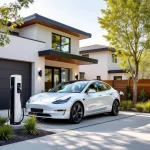
- Proximity to Parking: Install the charger close to where you park your vehicle to avoid long extension cords.
- Weather Protection: If installing outdoors, ensure the charger is weatherproof and protected from the elements.
- Accessibility: Make sure the charger is easily accessible for daily use.
4. Hire a Qualified Electrician
Once you have assessed your home and chosen the right charger, it’s time to hire a qualified electrician. An experienced electrician can:
- Install the charger according to local codes and regulations.
- Upgrade your electrical panel and wiring if necessary.
- Provide advice on the best charging solutions for your specific situation.
5. Consider Incentives and Rebates
Many states offer incentives and rebates for homeowners who install EV charging stations. Research local programs that can help offset the costs of installation and equipment. This can significantly reduce your overall investment in electric vehicle charging.
6. Plan for Future Needs
As electric vehicles become more mainstream, consider planning for your future needs. If you anticipate adding more EVs to your household or upgrading to a more powerful charger, ensure your electrical system can accommodate these changes.
Preparing your home for electric vehicle charging is an essential step towards embracing a sustainable future. By following these guidelines, you can ensure a smooth transition to electric driving and enjoy the many benefits that come with owning an electric vehicle.