






Introduction
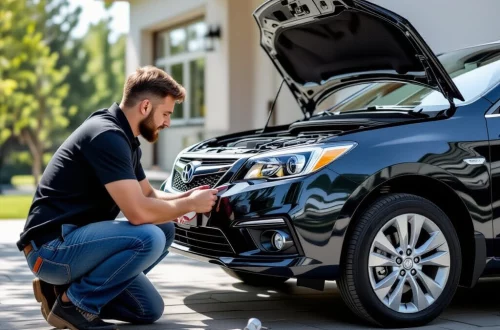
Car paint chips and scratches are common issues that can affect the appearance and value of your vehicle. Whether caused by road debris, minor collisions, or everyday wear and tear, addressing these imperfections promptly can help maintain your car’s aesthetic appeal. In this article, we’ll explore effective methods to prevent and repair paint chips and scratches, ensuring your vehicle stays in pristine condition.
How to Prevent Paint Chips and Scratches
Prevention is always better than repair. Here are some practical tips to minimize the risk of paint damage:
- Regular Washing and Waxing: Clean your car regularly to remove dirt and debris that can cause scratches. Applying a quality wax adds a protective layer that shields the paint from minor abrasions.
- Avoid Parking Near Hazards: Park away from areas prone to falling debris, shopping carts, or tight spaces where scratches are more likely.
- Use a Car Cover: When parked for extended periods, especially outdoors, a cover can protect your vehicle from environmental damage.
- Careful Driving: Maintain safe distances from vehicles and be cautious on gravel or unpaved roads to prevent chips from flying stones.
- Protective Films: Consider applying clear paint protection film to high-impact areas like the hood, bumper, and fenders.
How to Repair Paint Chips and Scratches
When chips or scratches occur, timely repair can prevent rust and further deterioration. Follow these steps for effective repair:
- Assess the Damage: Determine the depth and size of the chip or scratch. Superficial scratches can often be fixed at home, while deep damage may require professional service.
- Clean the Area: Use soap and water to remove dirt, then dry thoroughly. Isopropyl alcohol can help remove wax or grease residues.
- Use a Touch-Up Pen or Paint: Match your car’s paint color using the manufacturer’s code. Apply the paint carefully with a fine brush or pen, filling in chips or scratches.
- Apply Clear Coat: Once the paint has dried, add a clear coat to seal the repair and restore gloss.
- Sand and Polish: For a smoother finish, lightly sand the area with fine-grit sandpaper and polish to blend the repair seamlessly into the surrounding paint.
- Consider Professional Repair: For extensive or deep damage, consulting a professional auto body shop may be the best option to ensure a flawless finish.
Additional Tips
To prolong the life of your car’s paint, always follow manufacturer recommendations for cleaning and maintenance. Regular inspections can help catch minor damages early before they worsen. Investing in quality repair products and seeking professional help when needed will keep your vehicle looking its best for years to come.