Introduction
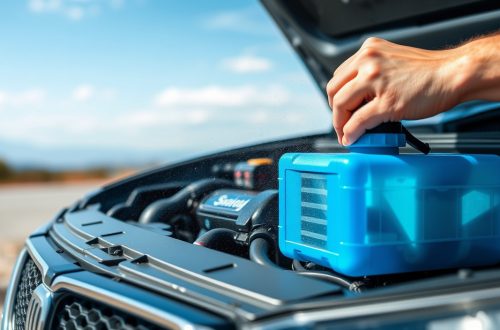
Proper disposal of old car fluids is essential for environmental protection and safety. Used engine oil, coolant, transmission fluid, brake fluid, and other automotive liquids can be hazardous if not handled correctly. In this guide, we’ll cover the best practices for disposing of these fluids responsibly.
Why Proper Disposal Matters
Car fluids contain chemicals that can contaminate soil and water, harm wildlife, and pose health risks to humans. Improper disposal, such as pouring fluids down the drain or onto the ground, is illegal in many regions and can lead to hefty fines. Following proper procedures helps protect the environment and complies with local regulations.
Steps for Proper Disposal of Old Car Fluids
1. Collect the Fluids Correctly
Use a clean, leak-proof container with a secure lid to store used fluids. Original containers are ideal, but plastic or metal containers specifically designated for automotive waste are also suitable. Label the containers clearly to prevent accidental misuse.
2. Transport Safely
Ensure the container is sealed tightly and transported upright to avoid spills. Keep the container away from children and pets during transit.
3. Find a Certified Recycling Facility
Locate a licensed recycling center or hazardous waste disposal site in your area. Many auto parts stores, service stations, and municipal waste facilities accept used car fluids free of charge or for a small fee.
- Auto Parts Stores: Many chains like AutoZone or O’Reilly Auto Parts offer free used fluid recycling.
- Municipal Waste Facilities: Local government websites typically list hazardous waste collection events and facilities.
- Specialized Recycling Centers: Search online for certified automotive waste recyclers near you.
4. Follow Local Regulations
Always adhere to regional laws and guidelines regarding hazardous waste disposal. Some areas have specific days or procedures for disposing of automotive fluids.
Additional Tips
- Never mix different types of fluids. Mixing can cause dangerous chemical reactions.
- Avoid pouring fluids into storm drains, onto soil, or into water sources.
- Wear protective gloves and eye protection when handling used fluids.
- Regularly check your vehicle for leaks to prevent excessive fluid disposal.
Conclusion
Proper disposal of old car fluids is an important responsibility of every vehicle owner. By collecting, transporting, and recycling these fluids at authorized facilities, you help protect the environment and ensure compliance with legal standards. Stay informed about local disposal options and make responsible choices for a cleaner, safer world.