



As electric vehicles (EVs) continue to gain popularity, many owners are looking for ways to reduce their electricity costs while charging their cars. Charging an EV can be a significant part of your monthly expenses, especially if you rely on home charging. Fortunately, there are several strategies you can implement to save on electricity costs without compromising the convenience of owning an electric vehicle.
1. Understand Your Utility Rates
The first step in reducing electricity costs is to understand your utility’s pricing structure. Many utilities offer different rates based on the time of day. This is known as Time-of-Use (TOU) pricing. By charging your EV during off-peak hours—typically at night—you can take advantage of lower rates.
2. Invest in a Smart Charger
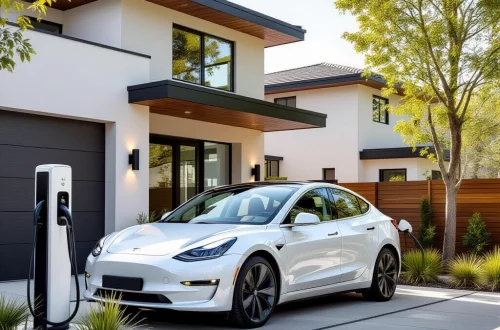
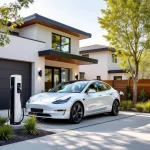
A smart charger can help you manage your EV’s charging schedule more effectively. Many smart chargers allow you to set charging times based on your utility’s TOU rates. This means you can automatically charge your vehicle when electricity is cheapest, saving you money in the long run.
3. Utilize Home Solar Power
If you have solar panels installed at home, consider using the energy generated to charge your EV. This not only reduces your reliance on grid electricity but also makes your EV charging effectively free after the initial investment in solar technology.
4. Optimize Your Charging Habits
- Charge When Necessary: Avoid charging your EV to 100% unless necessary. Keeping your battery between 20% and 80% can prolong its lifespan and often requires less energy.
- Use Level 2 Chargers: If you have access to Level 2 charging stations, use them. They are more efficient than standard outlets and can reduce overall charging time.
- Monitor Your Charging: Keep an eye on your electricity usage and charging habits using apps or your vehicle’s interface. This will help you identify patterns and adjust accordingly.
5. Take Advantage of Incentives
Many states and local governments offer incentives for EV owners, including rebates for home charging installations or credits for using renewable energy. Research what’s available in your area, as these can significantly offset the costs associated with charging your EV.
Conclusion
Charging your electric vehicle doesn’t have to break the bank. By understanding your utility rates, investing in smart technology, utilizing renewable energy, optimizing your charging habits, and taking advantage of available incentives, you can effectively save on electricity costs while enjoying the benefits of driving an EV. Start implementing these strategies today to maximize your savings and contribute to a more sustainable future.