


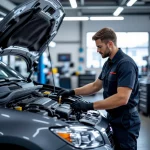


Emerging Trends in Car Ownership and Subscription Services
In recent years, the automotive industry has experienced significant shifts in how consumers approach car ownership. Traditional ownership models are increasingly being complemented or replaced by innovative subscription services that offer greater flexibility and convenience. This article explores the latest trends shaping the future of car ownership and the rise of subscription-based mobility solutions.
Shift Toward Flexible Car Ownership
Consumers today seek more adaptable and cost-effective transportation options. Conventional car ownership involves long-term commitments, maintenance responsibilities, and depreciation concerns. In response, automakers and mobility providers are offering alternative solutions such as short-term rentals, car-sharing, and subscription services. These options allow users to access different vehicle types without the burdens of ownership.
The Rise of Car Subscription Models
Car subscription services are gaining popularity among urban dwellers and tech-savvy consumers. These models typically involve a monthly fee that covers insurance, maintenance, and roadside assistance, providing a hassle-free experience. Subscribers can switch between various models—sedans, SUVs, electric vehicles—based on their needs, offering unparalleled flexibility.
- Benefits of subscription models include:
- Elimination of long-term commitments
- Access to the latest vehicle technologies
- Cost predictability and convenience
- Reduced ownership costs
Impact of Technology and Digital Platforms
Advancements in digital platforms and mobile apps have streamlined the process of subscribing to or renting vehicles. Users can browse, select, and manage their subscriptions entirely online, making car access more accessible than ever. Additionally, telematics and IoT integration enable real-time vehicle monitoring and personalized services, enhancing the overall user experience.
The Future of Car Ownership
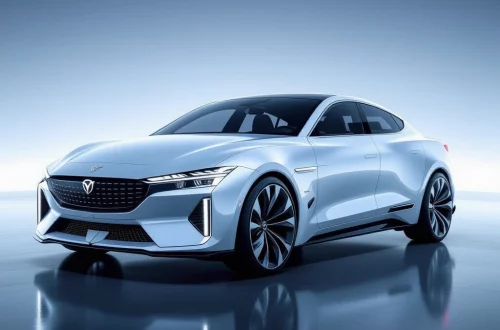
As electric vehicles (EVs) become more affordable and charging infrastructure expands, the landscape of car ownership is expected to evolve further. Subscription models are particularly well-suited for EV adoption, offering consumers a risk-free way to experience electric mobility. Furthermore, shared mobility will continue to grow as cities strive to reduce congestion and pollution.
Conclusion
The automotive industry is moving toward more flexible, technology-driven, and user-centric mobility solutions. Whether through traditional ownership or innovative subscription models, consumers are increasingly prioritizing convenience, cost-efficiency, and sustainability. Staying informed about these trends will help drivers make smarter choices and adapt to the evolving landscape of car ownership.