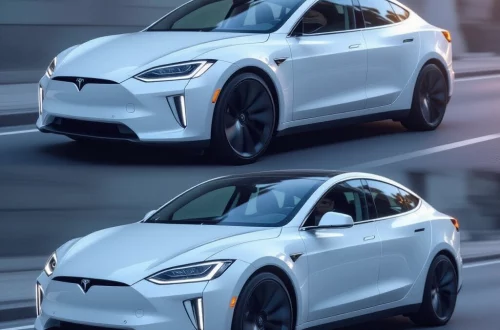








Over the decades, the automotive industry has witnessed tremendous advancements in technology, particularly regarding car safety features. The evolution of these features has not only enhanced the driving experience but has also significantly reduced the number of traffic-related injuries and fatalities.
Early Safety Innovations
The journey towards safer vehicles began in the early 20th century. One of the first major innovations was the introduction of the seatbelt in the 1950s. Initially considered a luxury, seatbelts became mandatory in many countries, drastically improving passenger safety. By the late 1960s, the three-point seatbelt, which provides better restraint, was developed by Volvo, marking a pivotal moment in automotive safety.
The Birth of Crumple Zones
In the 1970s, car manufacturers started to incorporate crumple zones in vehicle design. These areas are designed to deform and absorb energy during a collision, protecting occupants by reducing the force transmitted to the cabin. This innovation was crucial in enhancing vehicle safety and has been a standard feature in modern cars.
Advancements in Airbag Technology
Airbags became more prevalent in the 1980s and 1990s, with dual airbags becoming standard in many vehicles. Today, we see advanced airbag systems that include side, curtain, and even knee airbags, providing comprehensive protection in various types of collisions.
The Introduction of Electronic Stability Control
As technology advanced, so did safety features. The introduction of Electronic Stability Control (ESC) in the late 1990s helped drivers maintain control of their vehicles during extreme steering maneuvers. This feature has been proven to reduce the risk of rollover accidents significantly.
Modern Safety Features
In recent years, the automotive industry has embraced a new wave of safety technologies:
- Adaptive Cruise Control: Automatically adjusts the vehicle’s speed to maintain a safe distance from the car in front.
- Lane Departure Warning: Alerts drivers when they unintentionally drift out of their lane.
- Automatic Emergency Braking: Detects an impending collision and can apply the brakes automatically.
- Blind Spot Monitoring: Warns drivers of vehicles in their blind spots, enhancing lane change safety.
The Future of Car Safety
As we look ahead, the integration of artificial intelligence and machine learning into vehicle systems is set to revolutionize car safety. Features like autonomous driving and advanced driver-assistance systems (ADAS) are expected to become more sophisticated, further minimizing human error, which is a leading cause of accidents.
In conclusion, the evolution of car safety features has come a long way from the simple seatbelt to the complex systems we see in vehicles today. As technology continues to advance, we can expect even more innovative solutions that prioritize the safety of drivers and passengers alike.