Introduction
Electric vehicle (EV) technology has seen rapid advancements over the past decade, with battery development at the forefront. As the heart of any electric car, batteries determine range, performance, cost, and safety. Understanding the evolution of electric car batteries provides insights into how far the industry has come and what the future holds.
Early Batteries: Lead-Acid and Nickel-Based Technologies
Initially, electric cars relied on lead-acid batteries in the late 19th and early 20th centuries. These batteries were heavy, with limited energy density, making early EVs impractical for everyday use. Later, nickel-based batteries, such as nickel-cadmium (NiCd), were introduced, offering better performance but still facing issues like high cost and limited lifespan.
Transition to Lithium-Ion Batteries
The real breakthrough came with the advent of lithium-ion batteries in the 1990s. They offered higher energy density, lighter weight, and longer cycle life. Companies like Tesla and Nissan adopted lithium-ion technology, dramatically improving EV range and affordability. This shift marked the beginning of mass-market electric vehicles.
Recent Innovations and Improvements
- Solid-State Batteries: These batteries replace liquid electrolytes with solid materials, promising even higher energy density and enhanced safety.
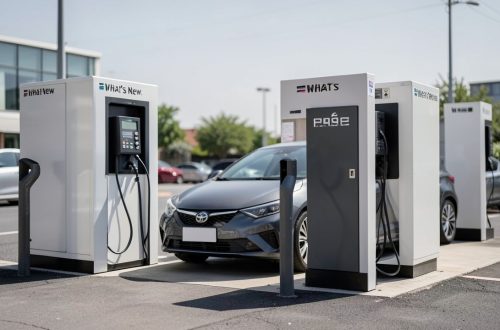
- Fast Charging Technologies: Advances in battery chemistry and charger infrastructure have reduced charging times, making EVs more convenient.
- Battery Management Systems (BMS): Improved BMS enhance safety, longevity, and performance by optimizing charge and discharge cycles.
The Future of Electric Car Batteries
Looking ahead, researchers are exploring new materials such as lithium-silicon and lithium-metal, which could drastically increase capacity. Recycling and sustainable manufacturing practices are also becoming integral to battery development, addressing environmental concerns. Moreover, innovations like battery swapping and wireless charging may revolutionize how we power electric cars.
Conclusion
The evolution of electric car batteries reflects continuous innovation driven by the desire for longer range, faster charging, and safer operation. As technology advances, we can expect future batteries to be more efficient, sustainable, and integral to the widespread adoption of electric vehicles, transforming the automotive landscape for years to come.