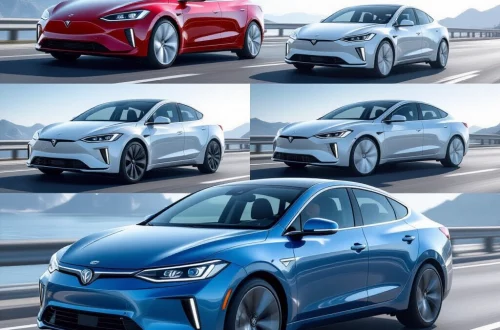








As the automotive industry continues to evolve, so does the quest for improved fuel efficiency. With increasing environmental concerns and rising fuel prices, manufacturers are investing heavily in innovative technologies to enhance fuel economy without compromising performance. This article explores the latest advancements in fuel efficiency, shedding light on how they are shaping the future of automotive engineering.
Understanding Fuel Efficiency
Fuel efficiency refers to the distance a vehicle can travel per unit of fuel consumed. It is a critical metric for both consumers and manufacturers, as it directly affects the overall cost of vehicle ownership and environmental impact. The push for better fuel economy has led to the adoption of various technologies and strategies over the years.
Key Technologies Driving Fuel Efficiency
- Hybrid Powertrains: One of the most significant advancements in fuel efficiency is the development of hybrid vehicles, which combine internal combustion engines with electric motors. This dual system allows for greater efficiency, especially in city driving, where electric power can be utilized.
- Turbocharging: Turbocharged engines have gained popularity for their ability to produce more power from smaller engines. By forcing more air into the combustion chamber, these engines improve fuel efficiency while delivering performance that rivals larger engines.
- Lightweight Materials: The shift towards lightweight materials, such as aluminum and advanced composites, has played a crucial role in improving fuel efficiency. Reducing a vehicle’s weight allows for less energy consumption, leading to better mileage.
- Advanced Aerodynamics: Manufacturers are increasingly focusing on vehicle designs that minimize drag. Features like active grille shutters and streamlined body shapes help to improve aerodynamics, further enhancing fuel economy.
- Start-Stop Technology: This technology automatically shuts off the engine when the vehicle is idle and restarts it when the driver accelerates. It is particularly effective in urban environments, where stop-and-go traffic is common, significantly reducing fuel consumption.
The Role of Electrification
Electrification is at the forefront of fuel efficiency advancements. With the rise of electric vehicles (EVs), manufacturers are rethinking traditional fuel consumption models. EVs operate solely on electric power, completely eliminating the need for fossil fuels. As battery technology improves, the range and affordability of EVs continue to enhance their appeal, making them a viable option for many consumers.
Future Trends in Fuel Efficiency
Looking ahead, several trends are likely to shape the future of fuel efficiency:
- Hydrogen Fuel Cells: As an alternative to traditional batteries, hydrogen fuel cells offer the potential for quick refueling and longer ranges. This technology is still in its infancy but holds promise for the future of sustainable transportation.
- Smart Technology: The integration of smart technology, such as adaptive cruise control and predictive maintenance systems, can optimize driving patterns and vehicle performance, leading to better fuel efficiency.
In conclusion, the evolution of fuel efficiency is a testament to the automotive industry’s commitment to innovation and sustainability. As new technologies emerge, consumers can expect to see vehicles that are not only more fuel-efficient but also more environmentally friendly. The journey towards greater fuel economy is ongoing, and it will be exciting to see how these advancements shape the cars of tomorrow.