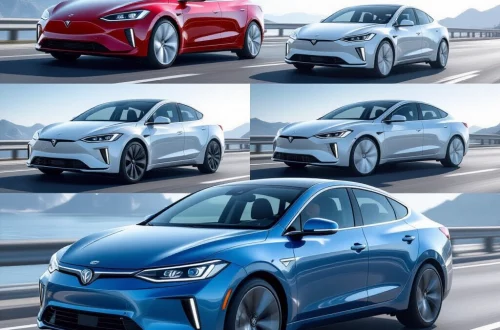






As technology continues to evolve, the automotive industry stands at the forefront of innovation, particularly with the rise of autonomous vehicles (AVs). These self-driving cars are not just a futuristic dream; they are rapidly becoming a reality. But what can we expect from the future of autonomous vehicles?
Current State of Autonomous Vehicles
Today, many manufacturers are testing and refining their autonomous technologies. Companies like Tesla, Waymo, and Ford are investing heavily in research and development to make self-driving cars safe and reliable. The current generation of AVs is equipped with advanced sensors, machine learning algorithms, and real-time data processing capabilities.
Technological Advancements
- Improved AI Algorithms: Artificial intelligence is the backbone of autonomous driving. Future enhancements will allow vehicles to make better decisions in complex environments.
- Enhanced Safety Features: With the integration of more sophisticated safety systems, AVs will significantly reduce the number of accidents caused by human error.
- Better Connectivity: Vehicles will communicate with each other and infrastructure, leading to smoother traffic flows and reduced congestion.
Regulatory and Ethical Considerations
As AVs become more prevalent, regulatory frameworks will need to adapt. Governments will have to establish guidelines for testing and deploying autonomous systems on public roads. Additionally, ethical considerations, such as decision-making in unavoidable accident scenarios, will need to be addressed.
Impact on Society
The widespread adoption of autonomous vehicles could lead to significant societal changes:
- Reduced Traffic Congestion: With smarter routing and coordinated driving, AVs could alleviate traffic jams.
- Increased Mobility: Autonomous vehicles can provide transportation solutions for those unable to drive, such as the elderly and disabled.
- Environmental Benefits: Many AVs are being designed with electric powertrains, contributing to lower emissions and a greener planet.
Challenges Ahead
Despite the promising future of autonomous vehicles, several challenges remain:
- Public Acceptance: Gaining the trust of consumers is crucial for the adoption of AV technology.
- Technological Hurdles: Ensuring that AVs can operate safely in all conditions remains a significant challenge.
- Cybersecurity Risks: As vehicles become more connected, the risk of cyber attacks increases, necessitating robust security measures.
Conclusion
The future of autonomous vehicles is filled with potential. As technology advances and societal acceptance grows, we can expect to see self-driving cars become an integral part of our daily lives. From improved safety to environmental benefits, AVs could transform the way we think about transportation.