



As cities worldwide strive for sustainable solutions to combat environmental challenges, electric cars have emerged as a transformative force in urban infrastructure. The shift towards electric vehicles (EVs) is not just a trend; it represents a fundamental change in how we think about transportation, energy consumption, and city planning.
Redefining Urban Mobility
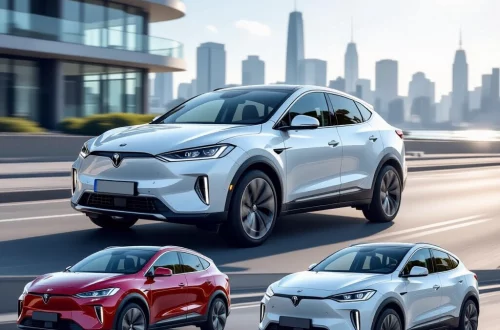
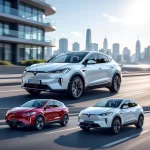
Electric cars offer a cleaner alternative to traditional internal combustion engine vehicles, significantly reducing air pollution and greenhouse gas emissions. As more urban residents opt for EVs, cities are witnessing a shift in mobility patterns. This transition necessitates a rethinking of urban infrastructure, from roads and parking to public transport systems.
Charging Infrastructure Development
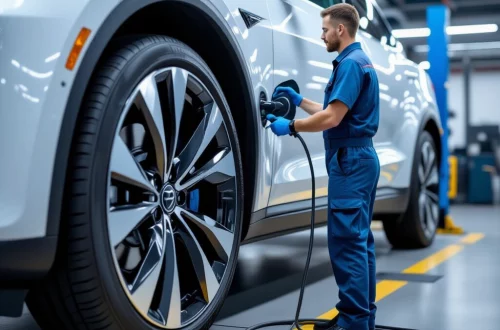
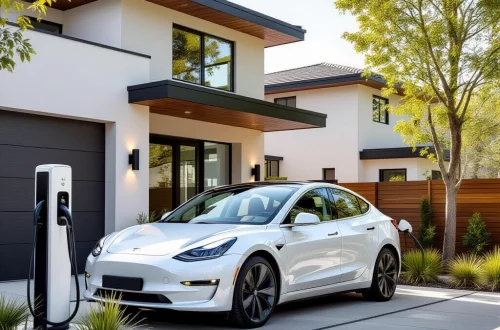
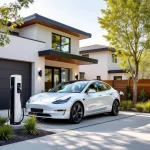
One of the most significant impacts of electric cars on urban infrastructure is the demand for charging stations. Unlike conventional vehicles that can refill at gas stations, EVs require dedicated charging points. This has led to:
- Increased installation of charging stations: Cities are rapidly expanding their networks of public charging stations, often partnering with private companies to facilitate this growth.
- Integration with renewable energy: Many urban areas are incorporating solar panels and wind turbines to power charging stations, promoting a greener energy cycle.
- Smart city technology: Charging stations are increasingly equipped with smart technology to optimize energy use and enhance user convenience.
Urban Planning and Design Changes
The integration of electric vehicles into urban life also influences city planning. Urban designers are reconsidering:
- Parking spaces: Traditional parking lots are being replaced or adapted to include EV charging points, encouraging more residents to consider electric alternatives.
- Pedestrian-friendly spaces: As cities aim to reduce reliance on cars overall, urban planners are designing walkable areas that accommodate both EVs and pedestrians, enhancing the overall urban experience.
- Public transportation upgrades: Electric buses and trams are becoming more common, prompting cities to revamp their public transport systems for efficiency and sustainability.
Challenges and Considerations
While the rise of electric cars presents numerous opportunities for innovation and improvement, it also brings challenges. Cities must address:
- Grid capacity: The increase in electric vehicle use can strain existing power grids, necessitating upgrades and smarter energy management systems.
- Equity in access: Ensuring that all communities have access to charging infrastructure is crucial to avoid creating disparities between affluent and underserved neighborhoods.
- Change management: Transitioning to electric vehicles requires public education and incentives to encourage adoption among residents.
Conclusion
The impact of electric cars on urban infrastructure is profound and multifaceted. As cities evolve to accommodate this shift, they must balance innovation with sustainability and inclusivity. By prioritizing electric mobility, urban areas can pave the way for a cleaner, more efficient, and more connected future.