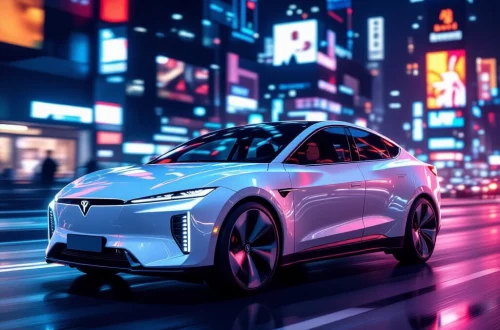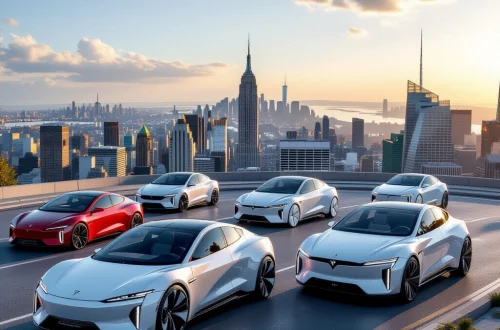


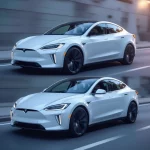
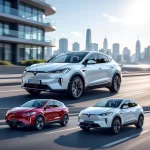



The automotive market is undergoing a significant transformation, driven largely by the rise of electric vehicles (EVs). As consumers become more environmentally conscious and technology continues to advance, the impact of EVs on the automotive landscape is profound and far-reaching.
The Shift Towards Sustainability
One of the most notable effects of EVs is the shift towards sustainability. Traditional internal combustion engines (ICE) contribute significantly to greenhouse gas emissions, while electric vehicles offer a cleaner alternative. This change is not just beneficial for the environment; it also aligns with the growing demand for sustainable practices among consumers. As a result, many automakers are investing heavily in EV technology, committing to reduce their carbon footprints.
Market Dynamics and Competition
The introduction of electric vehicles has reshaped market dynamics. Established automotive giants are facing increased competition from new entrants, particularly startups focused solely on EV production. Companies like Tesla have disrupted the market, pushing traditional manufacturers to accelerate their EV development plans. This competition is fostering innovation, leading to a wider variety of EV models and features, which benefits consumers.
Consumer Preferences and Adoption Rates
Consumer preferences are shifting rapidly. Many buyers are now prioritizing electric vehicles over traditional cars due to their lower operating costs and government incentives. According to recent studies, the demand for EVs is projected to continue rising as more charging infrastructure becomes available and battery technology improves. This trend is prompting manufacturers to expand their EV offerings to meet consumer expectations.
Technological Advancements
The impact of electric vehicles also extends to technological advancements within the automotive industry. Electric vehicles require new technologies for battery management, charging systems, and overall vehicle performance. As automakers invest in research and development, we can expect to see significant improvements in battery efficiency, charging speed, and vehicle range, making EVs more appealing to a broader audience.
Challenges Ahead
Despite the positive impact of electric vehicles, several challenges remain. The production of batteries still poses environmental concerns, particularly regarding the sourcing of raw materials. Additionally, the automotive market must address the issue of charging infrastructure, which is crucial for widespread EV adoption. Automakers and governments are working together to overcome these hurdles, but progress will take time.
Conclusion
In conclusion, electric vehicles are transforming the automotive market in numerous ways, from promoting sustainability to reshaping competition and consumer preferences. As technology continues to advance and infrastructure develops, the future of the automotive industry will likely be dominated by electric vehicles. For consumers, this transition promises a wealth of options, innovations, and a cleaner driving experience.