






As the world becomes increasingly aware of the environmental impacts of traditional automotive practices, the shift towards sustainability in the automotive industry is gaining momentum. From electric vehicles (EVs) to eco-friendly manufacturing processes, the rise of sustainable practices is reshaping how we think about cars and their role in our lives.
Understanding Sustainable Automotive Practices
Sustainable automotive practices encompass a range of initiatives aimed at reducing the environmental footprint of vehicles. This includes the development of electric and hybrid vehicles, the use of renewable materials, and the implementation of energy-efficient manufacturing techniques. The goal is to create a more sustainable automotive ecosystem that minimizes waste and maximizes resource efficiency.
Electric and Hybrid Vehicles: The Future of Driving
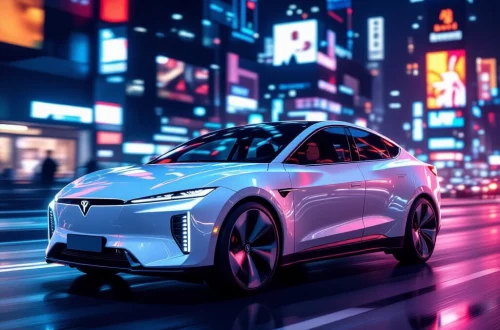
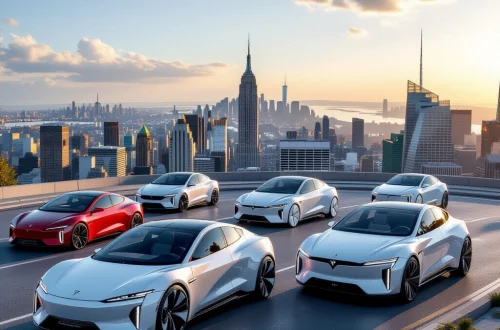
One of the most significant advancements in sustainable automotive practices is the rise of electric and hybrid vehicles. These vehicles produce lower emissions than their traditional gasoline counterparts, contributing to cleaner air and reduced greenhouse gas emissions. Many major automakers are investing heavily in EV technology, with plans to expand their electric lineups significantly in the coming years.
Eco-Friendly Manufacturing Processes
Beyond the vehicles themselves, manufacturers are rethinking their production methods. Here are some key practices:
- Use of Recycled Materials: Many companies are incorporating recycled plastics and metals into their vehicles, reducing the need for new raw materials.
- Energy Efficiency: Factories are being upgraded to use renewable energy sources, such as solar and wind, to power production lines.
- Waste Reduction: Manufacturers are adopting zero-waste policies, aiming to recycle or repurpose as much of their production waste as possible.
The Role of Policy and Consumer Demand
Government policies and consumer demand play a crucial role in the rise of sustainable automotive practices. Many countries are implementing stricter emissions regulations and offering incentives for electric vehicle adoption. Consumers, increasingly aware of climate change, are seeking vehicles that align with their values, driving automakers to prioritize sustainability.
Challenges Ahead
While the push for sustainability is promising, challenges remain. The infrastructure for electric vehicles, such as charging stations, still needs to be expanded, and the production of batteries raises concerns about resource extraction and recycling. Additionally, the transition to sustainable practices requires significant investment and innovation within the industry.
Conclusion
The rise of sustainable automotive practices is more than a trend; it’s a necessary evolution in response to global environmental challenges. As consumers and manufacturers alike embrace these changes, the future of the automotive industry looks greener. By staying informed about the latest developments and supporting sustainable choices, we can all contribute to a more sustainable automotive future.