






Introduction
As the automotive industry shifts towards sustainability, electric vehicles (EVs) are becoming an essential part of business fleets. They offer lower operating costs, eco-friendly credentials, and modern technology features that enhance productivity. In this article, we explore the best electric vehicles for business use in 2024, helping companies make informed decisions for their fleet management.
Why Choose Electric Vehicles for Business?
Electric vehicles provide several advantages for businesses, including:
- Cost Savings: Reduced fuel and maintenance costs.
- Environmental Impact: Lower carbon footprint aligns with corporate social responsibility goals.
- Tax Incentives: Many regions offer tax credits and incentives for EV adoption.
- Modern Features: Advanced connectivity and driver-assistance systems improve efficiency and safety.
Best Electric Vehicles for Business Use in 2024
Here are some of the top EVs suited for business needs:
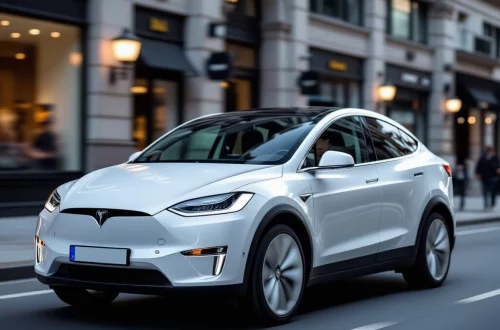
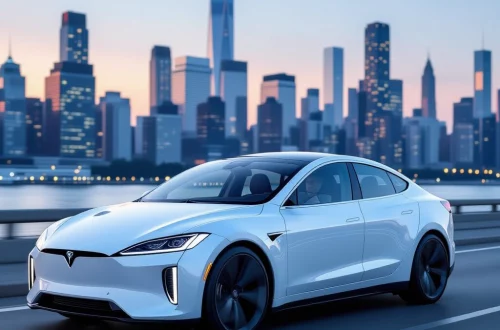
- Tesla Model 3: Known for its impressive range of up to 358 miles and cutting-edge autopilot features, the Model 3 is ideal for executives and sales teams needing reliable, long-distance travel.
- Ford Mustang Mach-E: Combining style with practicality, this SUV offers a range of up to 305 miles, spacious interior, and advanced driver-assist systems, making it perfect for client visits and team transport.
- Chevrolet Bolt EV: An affordable option with a range of approximately 259 miles, suitable for urban delivery services and short-distance business trips.
- Nissan Leaf: One of the most cost-effective EVs, offering around 149 miles per charge, best suited for urban professionals needing daily commuting solutions.
- Rivian R1T: An electric pickup truck with a range of up to 314 miles, ideal for businesses involved in logistics, construction, or outdoor activities requiring rugged performance.
Factors to Consider When Choosing an EV for Business
When selecting an electric vehicle for your business fleet, consider the following:
- Range: Ensure the vehicle can handle your typical daily routes.
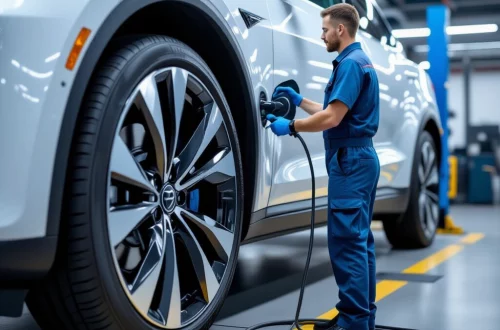
- Charging Infrastructure: Access to charging stations at your workplace or along routes.
- Cargo Space: Sufficient room for equipment, tools, or goods.
- Cost and Incentives: Budget constraints and available government incentives.
- Brand Reliability and Service: Support network and vehicle durability.
Conclusion
Electric vehicles are transforming business transportation, offering sustainable, cost-effective, and technologically advanced options. By choosing the right EV model tailored to your company’s needs, you can improve operational efficiency while contributing to a greener environment. As the EV market continues to expand in 2024, now is the perfect time for businesses to consider switching to electric.