






Introduction
Driving a comfortable and quiet car enhances the overall experience and reduces driver fatigue. Noise and vibrations inside the vehicle can stem from various sources, including engine operation, road conditions, and inadequate insulation. Fortunately, there are effective ways to minimize these disturbances and enjoy a smoother ride. In this article, we explore the best methods to reduce car noise and vibration.
1. Upgrade Your Car’s Insulation and Soundproofing
One of the most impactful ways to reduce noise is by enhancing your vehicle’s insulation. Add soundproof mats to the doors, floor, and trunk to absorb sound waves and prevent external noise from entering the cabin. Using materials like mass-loaded vinyl or specialized automotive soundproofing foam can significantly diminish road and engine noise.
2. Maintain Proper Tire Pressure and Quality
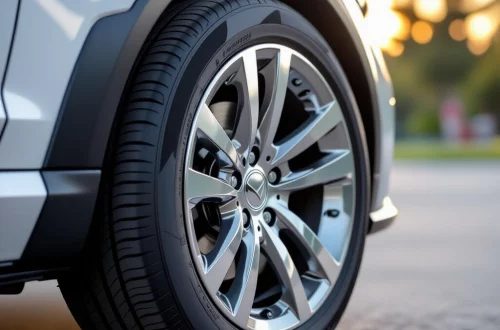
- Choose Quality Tires: High-quality tires with proper tread design can reduce road noise and vibrations.
- Maintain Correct Tire Pressure: Under- or over-inflated tires can cause increased vibrations and noise. Regularly check and maintain recommended tire pressure.
3. Regular Suspension and Wheel Alignment Checks
Worn-out suspension components or misaligned wheels can lead to increased vibrations and noise during driving. Schedule regular inspections to replace worn shocks, struts, and bushings. Proper wheel alignment ensures smooth contact with the road and minimizes vibrations.
4. Use Vibration Dampers and Anti-Vibration Pads
Installing vibration dampers or anti-vibration pads on engine mounts, exhaust systems, and other components can significantly reduce vibrations transmitted to the cabin. These simple additions help absorb shocks and stabilize the vehicle’s interior.
5. Keep Your Engine and Exhaust System in Good Condition
An engine that runs smoothly produces less noise and vibrations. Regular maintenance such as oil changes, exhaust system checks, and replacing worn-out engine mounts can reduce internal noise sources and vibrations.
6. Install Acoustic Windshields and Windows
Upgrading to acoustic glass can dramatically diminish wind noise, especially at high speeds. These specialized windows contain layers that absorb sound waves, making your cabin quieter.
7. Drive on Well-Maintained Roads and Adjust Your Speed
Road conditions greatly influence noise and vibrations. Driving on smooth, well-maintained roads minimizes impact vibrations. Additionally, reducing speed can lessen road noise and vibrations transmitted through the vehicle.
Conclusion
Reducing car noise and vibrations involves a combination of maintenance, upgrades, and driving habits. Prioritizing soundproofing, maintaining essential vehicle components, and choosing quality parts are key to achieving a quieter, more comfortable ride. Implementing these methods will enhance your driving experience and extend the lifespan of your vehicle.