Introduction
Maintaining optimal fuel efficiency is essential for saving money, reducing your carbon footprint, and ensuring your vehicle runs smoothly. Whether you drive a new car or an older model, implementing simple yet effective tips can significantly improve your fuel economy. In this article, we’ll explore practical strategies to help you get the most out of every gallon.
Keep Your Vehicle Well-Maintained
- Regular Oil Changes: Dirty or old oil can reduce engine efficiency. Follow your manufacturer’s recommended oil change intervals to keep your engine running smoothly.
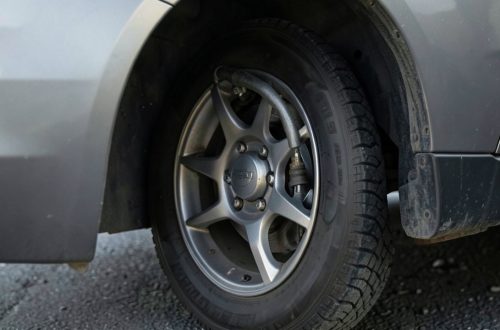
- Check Tire Pressure Frequently: Properly inflated tires reduce rolling resistance and improve fuel efficiency. Keep tires at the recommended PSI, especially before long trips.
- Replace Air Filters: A clean air filter ensures proper airflow to the engine, enhancing performance and fuel economy.
- Maintain the Fuel System: Clean fuel injectors and a well-maintained fuel system ensure optimal combustion and efficiency.
Drive Smart and Efficiently
- Avoid Aggressive Driving: Accelerating quickly, speeding, and abrupt braking consume more fuel. Smooth acceleration and gradual braking save fuel.
- Observe Speed Limits: Driving at moderate speeds (typically 55-65 mph) improves fuel economy compared to higher speeds.
- Use Cruise Control: On highways, cruise control helps maintain a constant speed, which can save fuel.
- Plan Your Routes: Combine errands and choose the shortest, most efficient route to reduce idle time and unnecessary driving.
Optimize Vehicle Load and Accessories
- Remove Excess Weight: Extra cargo or heavy roof racks increase aerodynamic drag and weight, reducing fuel efficiency.
- Avoid Idle Time: Turn off the engine if you anticipate being parked for more than a minute or two.
- Limit Use of Air Conditioning: A/C can increase fuel consumption. Use it sparingly or opt for natural ventilation when possible.
Additional Tips
- Use High-Quality Fuel: Higher-octane fuel isn’t always necessary but using the recommended fuel type can improve engine performance.
- Keep Your Vehicle Aerodynamic: Remove roof racks or carriers when not in use to reduce wind resistance.
- Monitor Your Fuel Consumption: Use your vehicle’s trip computer or apps to track efficiency and identify patterns.
Conclusion
By following these simple tips, you can maximize your vehicle’s fuel efficiency, save money, and contribute to a cleaner environment. Regular maintenance, smart driving habits, and vehicle optimization are key to getting the most mileage out of every tank.