





Introduction
Living in a cold climate presents unique challenges for vehicle maintenance and storage. Properly storing your car during winter months not only preserves its condition but also ensures safety and performance when you hit the road again. In this article, we’ll explore the best practices for storing your car in cold weather conditions.
Choose the Right Storage Location
Finding an appropriate storage space is crucial. Ideally, park your vehicle in a garage or covered area to shield it from snow, ice, and harsh winds. If a garage isn’t available, consider using a high-quality, weather-resistant car cover designed for winter conditions. This adds an extra layer of protection against frost and debris.
Prepare Your Car for Storage
- Clean the vehicle thoroughly: Wash and wax your car to remove dirt, salt, and grime that can cause rust.
- Check and top off fluids: Ensure engine oil, antifreeze, brake fluid, and windshield washer fluid are at appropriate levels and suitable for cold temperatures.
- Maintain the battery: Disconnect the negative terminal or use a trickle charger to prevent battery drain.
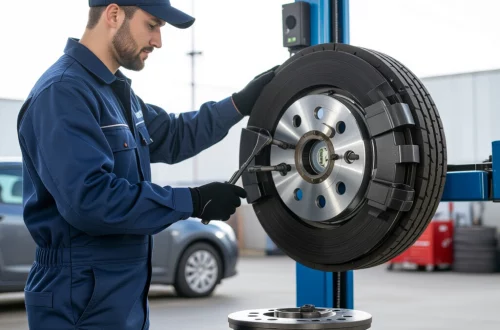
- Protect the tires: Inflate tires to the recommended pressure to prevent flat spots and consider using tire cradles or jacks if storing for an extended period.
- Fill the gas tank: Keep the tank full to reduce moisture buildup and prevent fuel system issues.
Additional Tips for Cold Weather Storage
- Use a windshield cover: Prevent frost buildup and reduce scraping time in the morning.
- Apply rust inhibitors: Use rust-proofing sprays on undercarriage components to combat corrosion caused by road salt.
- Maintain proper ventilation: If storing in an enclosed space, ensure some airflow to prevent mold and musty odors.
- Start the engine periodically: If possible, run the engine for a few minutes every few weeks to keep components lubricated and prevent seals from drying out.
Conclusion
Proper car storage in cold climates requires careful preparation and protection. By choosing an appropriate location, maintaining your vehicle, and taking extra precautions against the elements, you can ensure your car remains in excellent condition throughout the winter. Implement these best practices to enjoy a hassle-free start when the snow melts and roads become clear again.