Introduction
Buying a used car can be a smart financial decision, but it requires careful inspection to avoid potential pitfalls. Proper testing ensures you make an informed choice and secure a reliable vehicle. Here are essential tips for testing a used car before purchase.
1. Perform a Visual Inspection
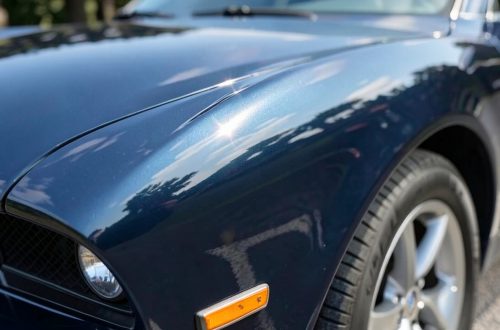
Start with a thorough visual check of the car’s exterior and interior. Look for signs of accidents, rust, mismatched paint, or corrosion. Inside, examine the upholstery, dashboard, and electronic components for damage or signs of wear. A clean, well-maintained appearance indicates proper care from the previous owner.
2. Check the Vehicle History
Obtain the vehicle history report using the car’s VIN. This report provides crucial information about past accidents, title issues, service records, and mileage verification. Knowing the car’s background helps you assess its true condition and identify potential red flags.
3. Test Drive the Car
During the test drive, pay attention to:
- Engine performance: Smooth acceleration, no unusual noises.
- Braking: Responsive and effective without pulling to one side.
- Steering: Should feel firm and responsive, with no vibrations.
- Transmission: Smooth shifting in automatic or manual modes.
- Suspension: Absorbs bumps evenly, no excessive bouncing.
- Electronics: Functioning lights, windows, and infotainment system.
4. Inspect Under the Hood
Open the hood and examine the engine bay. Check for leaks, cracked hoses, worn belts, and the condition of the oil and coolant. Cleanliness and proper fluid levels indicate regular maintenance. If unsure, consider having a mechanic inspect the engine.
5. Check the Tires and Brakes
Inspect tire tread depth and look for uneven wear, which could indicate alignment issues. Test the brakes for responsiveness and listen for squealing sounds. Worn tires and brakes can be costly to replace and may signal neglect.
6. Evaluate the Overall Condition
Assess the condition of the car’s interior and exterior, paying attention to signs of neglect or damage. Confirm that all features, such as air conditioning, heated seats, and sensors, are functioning properly.
7. Consider Professional Inspection
Before finalizing the purchase, have a trusted mechanic perform a comprehensive inspection. They can identify hidden issues and provide an expert opinion, saving you from future costly repairs.
Conclusion
Testing a used car thoroughly before buying is essential for making a confident purchase. By following these tips—visual checks, test drives, inspections, and professional evaluations—you can ensure that your used car is reliable and worth your investment.