Introduction
Experiencing a tire blowout can be frightening and dangerous, often leading to accidents or vehicle damage. Fortunately, many blowouts are preventable with proper maintenance and awareness. In this article, we’ll explore essential tips to help you reduce the risk of tire blowouts and ensure a safer driving experience.
1. Regularly Check Tire Pressure
Maintaining the correct tire pressure is crucial for tire health and safety. Under-inflated or over-inflated tires can weaken the sidewalls and increase the risk of blowouts. Check your tire pressure at least once a month and before long trips, using a reliable tire pressure gauge. Refer to your vehicle’s manual or the sticker inside the driver’s door for the recommended PSI.
2. Inspect Tires for Damage and Wear
Regular visual inspections can reveal potential issues before they become serious. Look for cracks, cuts, punctures, or bulges on the tire sidewalls and tread. Uneven wear patterns may indicate alignment or suspension problems. Replace tires that show significant damage or tread wear below the recommended level.
3. Rotate and Balance Tires
Rotating your tires regularly (every 5,000 to 8,000 miles) ensures even wear across all tires. Proper balancing minimizes vibrations that can cause stress on the tires and wheels, reducing the chance of blowouts. Consult your owner’s manual for the recommended rotation schedule.
4. Avoid Overloading Your Vehicle
Exceeding your vehicle’s maximum load capacity puts excessive pressure on the tires, increasing the risk of blowouts. Always adhere to the load limits specified by the manufacturer, especially when carrying heavy cargo or passengers.
5. Drive Carefully Over Rough Roads and Debris
Hitting potholes, sharp objects, or debris on the road can damage tires or cause punctures that lead to blowouts. Reduce speed when driving on rough terrain and stay vigilant to avoid obstacles. If you encounter debris, safely pull over and inspect your tires if possible.
6. Choose Quality Tires and Replace When Necessary
Invest in high-quality tires suited to your driving conditions. Worn-out or low-quality tires are more prone to blowouts. Remember to replace tires when they reach the end of their service life or show signs of excessive wear, cracks, or damage.
7. Monitor Temperature Changes
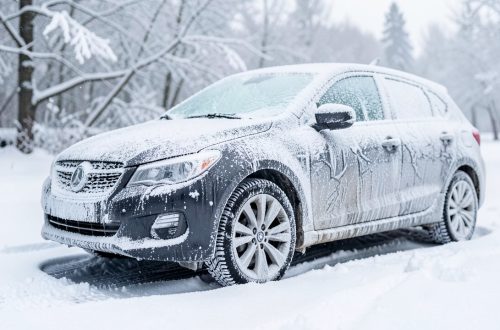
Extreme heat can cause tires to overinflate and weaken the rubber, increasing blowout risk. Conversely, cold temperatures can lower tire pressure. Regularly check and adjust tire pressure according to weather conditions to maintain optimal performance.
Conclusion
Preventing tire blowouts involves proactive maintenance, careful driving, and choosing the right tires for your vehicle. By following these tips, you can significantly reduce the risk of sudden tire failures and enjoy safer journeys on every mile.