Introduction
Harsh weather conditions such as snow, ice, heavy rain, and extreme heat can significantly impact your vehicle’s health and performance. Protecting your car during these challenging times not only extends its lifespan but also ensures safety and reliability. Here are the best ways to safeguard your vehicle during severe weather.
1. Invest in a Quality Car Cover
Using a durable car cover is one of the simplest and most effective methods to shield your vehicle from snow, ice, and debris. Make sure to choose a cover that is waterproof, UV-resistant, and fits your car snugly to prevent wind damage.
2. Regularly Wash and Wax Your Car
Frequent washing removes dirt, salt, and corrosive substances that accumulate during winter, especially in snowy regions. Applying a high-quality wax creates a protective barrier against moisture and prevents rust formation.
3. Check and Maintain Your Tires
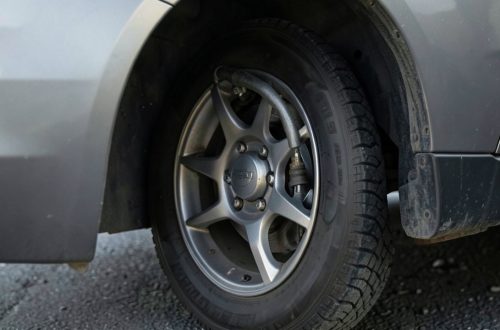
- Use winter tires: They provide better traction on icy and snowy roads.
- Maintain proper tire pressure: Cold weather can cause tire pressure to drop, affecting handling and fuel efficiency.
4. Protect Your Windshield and Windows
Apply a windshield sealant to prevent ice from bonding to glass. Keep an ice scraper and de-icer spray handy to clear snow and ice quickly. Consider installing heated windshield wipers if you live in an area with persistent winter storms.
5. Keep the Battery in Good Condition
Cold temperatures can weaken your car’s battery. Regularly check the battery’s charge and clean the terminals to ensure reliable starts during freezing weather.
6. Use Appropriate Fluids
- Antifreeze: Ensure your cooling system is topped up with the correct mix to prevent freezing.
- Winter-grade oil: Use oil formulated for low temperatures to improve engine performance.
- Windshield washer fluid: Fill with a winter formula that won’t freeze.
7. Park Strategically
Whenever possible, park your car in a garage or covered area to avoid exposure to snow and ice. If a garage isn’t available, choose a spot away from falling branches or overhanging trees that could break under snow load.
8. Prepare an Emergency Kit
Keep an emergency kit in your car that includes items such as a blanket, flashlight, first aid supplies, snacks, and a small shovel. This preparation can be lifesaving during severe weather disruptions.
Conclusion
Protecting your car during harsh weather requires proactive measures and regular maintenance. By following these tips, you can ensure your vehicle remains in top condition, ready to face winter’s challenges and beyond.