Introduction
Embarking on off-road adventures can be an exhilarating experience, but it also poses significant risks to your vehicle. Proper preparation and protective measures are essential to ensure your car remains in top condition after venturing off the beaten path. Here are the best ways to safeguard your vehicle during off-road excursions.
1. Choose the Right Vehicle
Not all cars are suited for off-road driving. Opt for SUVs or trucks with high ground clearance, durable tires, and four-wheel drive capabilities. These features help your vehicle handle rough terrain more effectively and reduce the risk of damage.
2. Install Protective Accessories
- Skid Plates: Protect the undercarriage from rocks, roots, and uneven surfaces.
- Mud Flaps and Fender Flares: Prevent mud, stones, and debris from damaging the body and tires.
- Rock Sliders: Safeguard the sides of your vehicle from impacts during rocky terrain navigation.
3. Check and Maintain Your Vehicle Beforehand
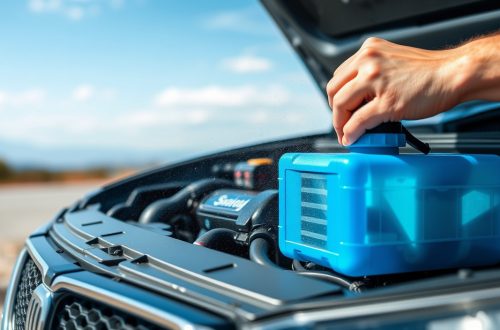
Perform a thorough inspection, including tire pressure, fluid levels, brake condition, and suspension. Proper maintenance ensures your vehicle can withstand the rigors of off-road driving and minimizes the risk of breakdowns.
4. Use Appropriate Tires
Invest in off-road or all-terrain tires that provide better grip and durability on challenging surfaces. Regularly check tire pressure to optimize traction and prevent flats.
5. Drive Carefully and Know Your Limits
Adopt a cautious driving style, especially on unfamiliar terrains. Avoid sudden acceleration, braking, or sharp turns that could lead to loss of control or damage. Familiarize yourself with your vehicle’s capabilities and do not attempt obstacles beyond your skill level.
6. Pack Emergency and Recovery Gear
Carry essential items such as a spare tire, jack, tow straps, a first aid kit, and a portable air compressor. These tools can be lifesavers if your vehicle gets stuck or encounters mechanical issues.
7. Plan Your Route and Share Your Itinerary
Research the area beforehand, including potential hazards and exit points. Inform someone about your plans and expected return time for added safety.
Conclusion
Protecting your car during off-road adventures requires careful planning, suitable equipment, and responsible driving. By following these tips, you can enjoy thrilling off-road experiences while keeping your vehicle safe and ready for future journeys.