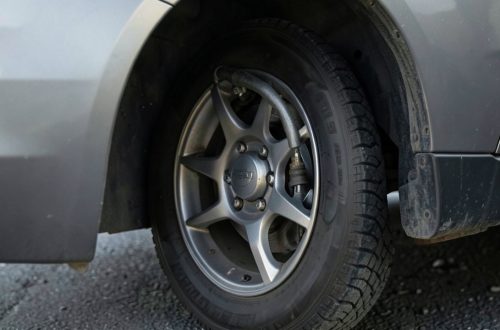
Introduction
Brake pads are a crucial component of your vehicle’s braking system, ensuring safety and optimal performance. Regular checking and timely replacement of brake pads can prevent costly repairs and accidents. This guide provides step-by-step instructions on how to check your brake pads and replace them if necessary, whether you’re a seasoned DIY enthusiast or a new car owner.
How to Check Your Brake Pads
Before deciding to replace your brake pads, it’s essential to inspect their condition regularly. Here’s how to do it:
- Gather necessary tools: Jack, jack stands, lug wrench, flashlight, and gloves.
- Park your car safely: Ensure the vehicle is on a flat surface, engage the parking brake, and turn off the engine.
- Loosen the lug nuts: Slightly loosen the lug nuts of the wheel you plan to inspect.
- Lift the vehicle: Use a jack to lift the car and secure it with jack stands.
- Remove the wheel: Take off the lug nuts and remove the wheel to access the brake components.
- Inspect brake pads: Look through the wheel spokes or directly at the caliper. Check the thickness of the brake pads — if they are less than 3mm, it’s time to replace them.
- Check for uneven wear or damage: Examine the pads for cracks, glazing, or uneven wear patterns.
How to Replace Brake Pads
If your inspection indicates that the brake pads need replacing, follow these steps:
- Prepare your workspace: Ensure the vehicle is securely lifted and the wheels are removed.
- Remove the brake caliper: Unscrew the bolts holding the caliper in place. Support the caliper to avoid stress on the brake hose.
- Remove the old brake pads: Slide out the worn pads from the caliper.
- Compress the caliper piston: Use a C-clamp or brake piston tool to push the piston back into the caliper, creating space for the new pads.
- Install new brake pads: Place the new pads into the caliper, ensuring they are properly aligned.
- Reassemble the caliper: Reattach the caliper bolts and ensure everything is secure.
- Replace the wheel: Mount the wheel back onto the hub, tighten the lug nuts by hand, then lower the vehicle and tighten the nuts to the manufacturer’s torque specs.
- Test your brakes: Before driving, pump the brake pedal several times to ensure proper brake pad contact and check for any unusual noise or feel.
Safety Tips and Final Checks
Always wear gloves and eye protection when working on your brakes. If you’re unsure about any step or your brake system’s condition, consult a professional mechanic. Regular maintenance not only prolongs the lifespan of your brake pads but also guarantees your safety on the road.
Remember, timely inspection and replacement of brake pads are vital for safe driving. Keep your brakes in top condition and enjoy a smooth, secure ride!