Introduction
The electric vehicle (EV) industry is rapidly evolving, with advancements not only in vehicle technology but also in charging infrastructure. As EV adoption accelerates worldwide, upcoming trends in charging solutions are set to make electric driving more convenient, efficient, and widespread. In this article, we explore the most significant developments to watch for in 2024 and beyond.
1. Ultra-Fast Charging Stations
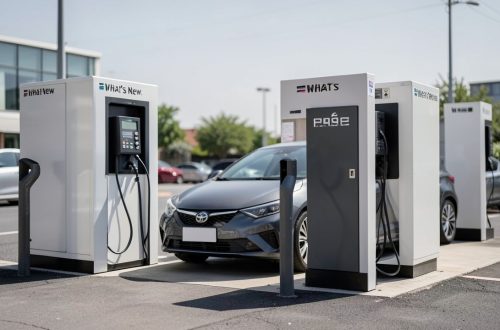
One of the most prominent trends is the expansion of ultra-fast charging stations that can deliver 150 kW to 350 kW power, significantly reducing charging times. These stations enable drivers to recharge their EVs in 15-20 minutes, making long-distance travel more feasible. Automakers and charging network providers are investing heavily to deploy these high-capacity chargers along major highways and urban centers.
2. Widespread Adoption of Vehicle-to-Grid (V2G) Technology
V2G systems allow EVs to not only draw power from the grid but also supply excess energy back during peak demand periods. This bidirectional charging promotes grid stability and offers potential financial benefits for EV owners. In 2024, we expect increased integration of V2G technology into charging stations, especially in regions aiming for energy sustainability.
3. Wireless Charging Solutions
Wireless or inductive charging is gaining traction as a convenient alternative to traditional plug-in stations. Emerging standards are enabling seamless charging at parking lots, homes, and even on roads. Although still in early stages, wireless charging is poised to become more prevalent, especially for urban environments where space and ease of use are critical.
4. Smart Charging and Integration with Renewable Energy
Smart charging systems optimize energy consumption by coordinating charging times with periods of high renewable energy generation, such as solar or wind power. IoT-connected stations can adjust charging based on grid demand, electricity prices, and user schedules, reducing costs and environmental impact.
5. Expansion of Charging Infrastructure in Urban Areas
- More public charging stations integrated into city planning
- Enhanced charging options at workplaces and residential complexes
- Development of ultra-compact chargers suitable for tight urban spaces
Conclusion
As the EV market continues to grow, so does the importance of advanced, accessible, and efficient charging solutions. Ultra-fast chargers, V2G technology, wireless charging, and smart integrations are set to reshape the landscape of electric vehicle infrastructure in 2024. These innovations will not only enhance user convenience but also support the global shift towards sustainable transportation.