


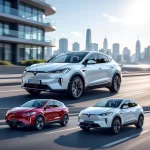



As electric vehicles (EVs) continue to gain popularity, understanding the intricacies of electric vehicle battery technology becomes increasingly essential. With advancements in battery chemistry, design, and performance, consumers and automotive enthusiasts alike are eager to grasp how these innovations impact the driving experience, range, and sustainability of electric vehicles.
Types of Electric Vehicle Batteries
Most electric vehicles primarily utilize two types of batteries: Lithium-ion (Li-ion) and solid-state batteries. Each type comes with its own set of benefits and challenges.
- Lithium-ion Batteries: These are currently the most common type used in EVs due to their high energy density, lightweight, and relatively low cost. They can be charged quickly and have a decent lifespan, typically lasting between 8 to 15 years.
- Solid-State Batteries: Although still in the developmental stage for mass production, solid-state batteries promise higher energy densities and improved safety. They use a solid electrolyte instead of a liquid one, reducing the risk of fires and increasing efficiency.
Battery Capacity and Range
The capacity of an EV battery is measured in kilowatt-hours (kWh), which directly affects the vehicle’s range. A higher capacity means a longer driving range between charges. For instance, a vehicle with a 60 kWh battery may offer a range of approximately 200-250 miles, depending on various factors such as driving conditions and temperature.
Charging Technology
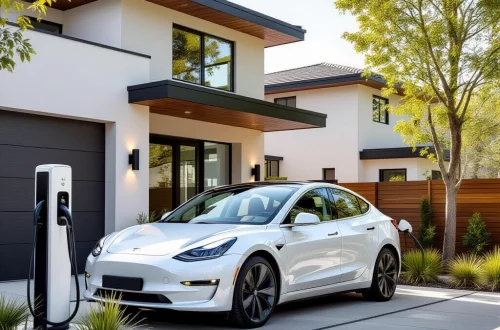
Charging infrastructure is vital for the widespread adoption of electric vehicles. There are three main levels of charging:
- Level 1: Standard household outlets provide this charging type, which is the slowest, typically adding 3-5 miles of range per hour.
- Level 2: Found in public charging stations, this method offers a faster charge, adding around 10-20 miles of range per hour.
- DC Fast Charging: The quickest option available, DC fast chargers can provide up to 80% charge in about 30 minutes, making long-distance travel more feasible for EV owners.
Battery Life and Maintenance
Like all components, EV batteries require proper care to maximize their lifespan. Here are some tips:
- Avoid frequent fast charging unless necessary, as it can degrade the battery faster.
- Keep the battery between 20% and 80% charged when possible to prevent deep discharges or overcharging.
- Park in temperature-regulated environments to avoid extreme heat or cold, which can negatively affect battery performance.
Future Trends in Battery Technology
The future of electric vehicle battery technology looks promising with ongoing research and development aimed at enhancing performance and sustainability. Some expected trends include:
- Increased use of sustainable materials in battery production to reduce environmental impact.
- Advancements in recycling processes to reclaim valuable materials from old batteries.
- Improved battery management systems that optimize charging and discharging cycles for better longevity.
Understanding electric vehicle battery technology is key to making informed decisions about EV ownership. As technology continues to evolve, staying updated on these developments will help drivers maximize their electric vehicle experience.