





Purchasing a used car can be a smart financial decision, but it also comes with its own set of challenges. To ensure you’re making a sound investment, it’s crucial to perform thorough checks before finalizing your purchase. Here are ten essential things to check before buying a used car.
1. Vehicle History Report
Start by obtaining a vehicle history report using the car’s VIN (Vehicle Identification Number). This report will provide crucial information about the car’s past, including any accidents, title issues, or odometer discrepancies.
2. Mileage
Check the odometer reading. While high mileage isn’t necessarily a deal-breaker, it can indicate how much wear and tear the vehicle has endured. Compare the mileage with the car’s age to see if it aligns with typical usage.
3. Exterior Condition
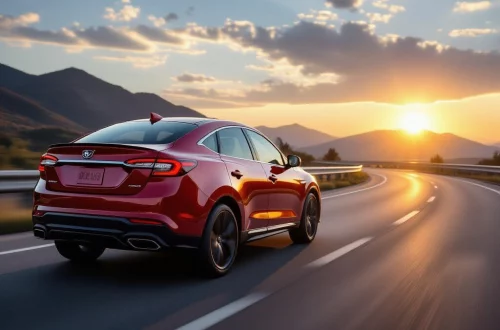
Inspect the car’s exterior for signs of rust, dents, or mismatched paint. These could indicate past accidents or poor maintenance. Pay close attention to the tires as well; uneven wear could suggest alignment issues.
4. Interior Condition
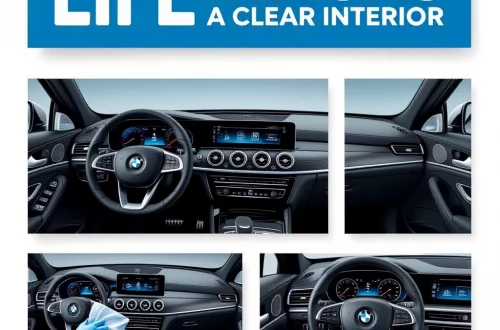
Examine the interior for any signs of excessive wear and tear. Check the upholstery, dashboard, and electronic components. Ensure that all features like air conditioning, radio, and windows are functioning correctly.
5. Test Drive
A test drive is vital. Pay attention to how the car handles, the braking response, and any unusual noises. Test it under various conditions, including highway speeds and sharp turns.
6. Mechanical Inspection
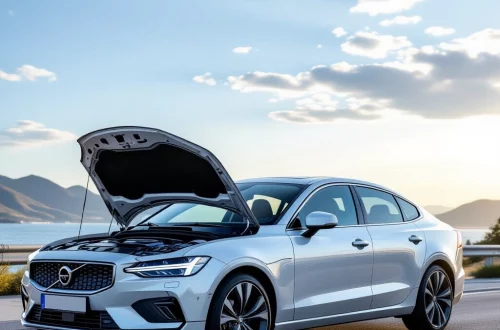
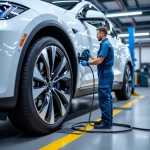
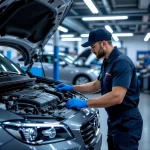
Consider having a trusted mechanic perform a pre-purchase inspection. They can identify potential mechanical issues that you may not notice during a casual inspection.
7. Ownership History
Ask the seller about the car’s ownership history. A vehicle with fewer owners is generally more reliable. Multiple owners may suggest that the car has had issues that prompted frequent changes in ownership.
8. Maintenance Records
Request maintenance records to verify that the car has been well maintained. Regular oil changes and service can significantly influence the vehicle’s longevity and performance.
9. Title Status
Check the title status to ensure it’s clean and not salvaged or rebuilt. A salvage title typically indicates that the vehicle has been in a serious accident or has suffered significant damage.
10. Price Comparison
Lastly, compare the asking price with the market value of similar vehicles. Use online tools and resources to ensure you’re getting a fair deal. If the price seems too good to be true, it probably is.
By following these ten essential checks, you can make a more informed decision when purchasing a used car. Taking the time to do your due diligence will help you avoid potential pitfalls and ensure that your new vehicle serves you well for years to come.