



The automotive industry is undergoing a significant transformation, thanks to the rise of electric vehicles (EVs). These eco-friendly alternatives to traditional gasoline-powered cars are not just a trend; they’re reshaping every aspect of the automotive landscape. From manufacturing processes to consumer behavior, the impact of electric vehicles is profound and far-reaching.
Shifting Manufacturing Dynamics
One of the most notable impacts of electric vehicles is the shift in manufacturing dynamics. Traditional automotive manufacturers are investing heavily in EV production, leading to:
- New Manufacturing Techniques: The shift to EVs requires different manufacturing techniques, such as more advanced battery assembly and electric motor production.
- Supply Chain Overhaul: The demand for lithium, cobalt, and other materials essential for batteries has led to a complete overhaul of the supply chain, affecting everything from mining to logistics.
- Partnerships and Collaborations: Automakers are collaborating with tech companies to enhance vehicle software and battery technology, leading to innovative solutions and improved performance.
Consumer Behavior and Preferences
As electric vehicles gain popularity, consumer behavior is evolving. Many buyers are increasingly considering sustainability and eco-friendliness when choosing a vehicle. Key trends include:
- Increased Demand for Eco-Friendly Options: Consumers are prioritizing vehicles that reduce their carbon footprint, leading to a surge in EV sales.
- Interest in Technology Features: Electric vehicles often come equipped with advanced technology, such as autonomous driving capabilities and cutting-edge infotainment systems.
- Government Incentives: Many governments are offering tax incentives and rebates for EV purchases, making them more appealing to consumers.
Challenges and Opportunities
While the growth of electric vehicles presents numerous opportunities, it also introduces challenges:
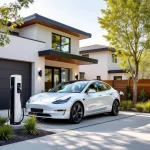
- Infrastructure Development: The need for charging stations and improved electrical infrastructure is crucial for supporting the growing EV market.
- Battery Recycling: As more EVs hit the road, the issue of battery recycling and disposal becomes increasingly important for environmental sustainability.
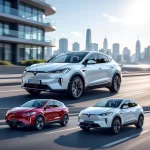
- Competition: New players in the automotive market, particularly startups focused exclusively on electric vehicles, are challenging traditional manufacturers, leading to increased competition and innovation.
Conclusion
The impact of electric vehicles on the automotive industry is undeniable. From reshaping manufacturing processes to influencing consumer preferences, EVs are driving change at every level. As the industry adapts to this new reality, the focus on sustainability, technology, and innovation will continue to shape the future of transportation.