




Introduction to Car Sensors and Their Importance
Car sensors play a crucial role in modern vehicles, providing real-time data to the engine control unit (ECU) and other systems. They ensure optimal performance, fuel efficiency, safety, and comfort. Common sensors include oxygen sensors, mass airflow sensors, speed sensors, and temperature sensors. Proper maintenance and timely replacement of faulty sensors can prevent costly repairs and improve your vehicle’s lifespan.
Identifying When a Sensor Needs Replacement
Symptoms of a failing sensor include warning lights on the dashboard, decreased engine performance, poor fuel economy, or unusual noises. Diagnostic trouble codes (DTCs) retrieved via an OBD-II scanner can pinpoint which sensor is malfunctioning. Regular inspections and understanding these signs can help you address issues before they escalate.
Tools and Materials Needed
- OBD-II scanner
- Replacement sensors specific to your vehicle
- Basic hand tools (screwdrivers, socket set)
- Gloves and safety glasses
- Sensor cleaning spray (if applicable)
Replacing Car Sensors Step-by-Step
- Ensure Safety: Park your vehicle on a flat surface, turn off the engine, and disconnect the battery to prevent electrical issues.
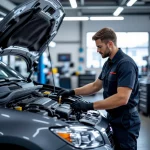
- Locate the Sensor: Consult your vehicle’s manual or repair guide to find the sensor’s location. Common locations include the exhaust system, intake manifold, or transmission.
- Disconnect the Old Sensor: Carefully disconnect the wiring harness. Use appropriate tools to remove the sensor without damaging surrounding parts.
- Remove the Faulty Sensor: Use a socket or screwdriver to unscrew and remove the sensor. Clean the mounting area if necessary.
- Install the New Sensor: Thread the new sensor into place and tighten securely. Reconnect the wiring harness.
- Test the Installation: Reconnect the battery, start the engine, and verify that the warning lights are off. Use an OBD-II scanner to clear any error codes and ensure proper sensor operation.
Maintaining Car Sensors for Longevity
Regular inspection and cleaning can extend the life of your sensors. Use appropriate cleaning sprays or contact cleaner to remove dirt and debris. Ensure wiring connections are secure and free of corrosion. Following the manufacturer’s maintenance schedule and avoiding harsh driving conditions can also help keep sensors functioning properly.
Final Tips
- Always replace sensors with OEM or high-quality aftermarket parts.
- Perform regular diagnostic scans to catch issues early.
- Consult professional mechanics for complex sensor repairs or if unsure about the process.
By understanding how to replace and maintain your car sensors, you can improve your vehicle’s performance, save money, and ensure safer driving. Regular care and timely replacements are key to keeping your car running smoothly.