




Introduction
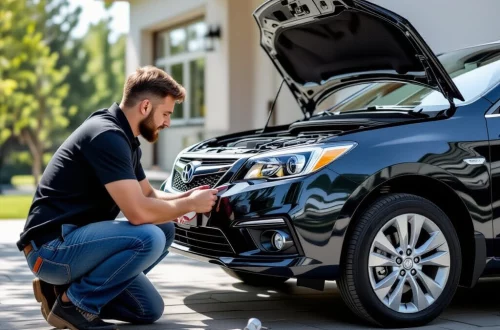
Maintaining your car’s tire tread is crucial for ensuring safety, optimal performance, and extending the lifespan of your tires. Worn-out tires can lead to poor traction, longer braking distances, and increased risk of accidents. In this article, we’ll share practical tips to help you monitor and maintain your tire tread effectively.
Understanding Tire Tread and Its Importance
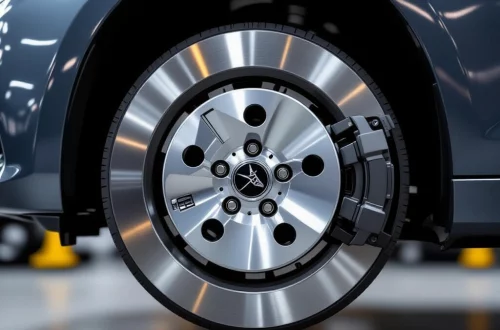
The tire tread is the rubber surface that makes contact with the road. It is designed with patterns that provide grip, channel water, and prevent hydroplaning. As tires wear down over time, the tread depth decreases, reducing traction and safety. The legal minimum tread depth in many regions is 2/32 inch (1.6 mm), but for optimal safety, experts recommend replacing tires before they reach this limit.
How to Check Your Tire Tread
- Use the penny test: Insert a penny into the tire tread with Lincoln’s head upside down. If you can see the top of Lincoln’s head, it’s time to replace your tires.
- Tread depth gauge: A precise tool that measures tread depth in millimeters or inches. Regularly measuring your tires ensures accurate assessment.
- Visual inspection: Look for uneven wear, bald spots, or embedded objects that could indicate the need for maintenance.
Tips for Maintaining Your Tire Tread
- Regularly rotate your tires: Rotating tires every 5,000 to 8,000 miles ensures even wear across all tires, prolonging tread life.
- Maintain proper tire pressure: Under-inflated or over-inflated tires wear unevenly and reduce tread life. Check pressure monthly and before long trips.
- Balance and alignment: Ensure your wheels are properly balanced and aligned. Misalignment causes uneven tire wear and faster tread deterioration.
- Avoid aggressive driving: Sudden accelerations, hard braking, and sharp turns increase tire wear and decrease tread lifespan.
- Inspect tires regularly: Perform visual inspections monthly for signs of uneven wear, cracks, or embedded debris that could compromise tread integrity.
- Replace when necessary: Don’t wait until the tread is completely worn out. Replace tires when the tread depth approaches the minimum safety limit or if you notice uneven wear patterns.
Conclusion
Proper maintenance of your car’s tire tread is essential for safety, fuel efficiency, and overall vehicle performance. Regular checks, timely rotations, maintaining correct tire pressure, and addressing alignment issues can significantly extend the life of your tires. Stay vigilant and ensure your tires are always in optimal condition for a safer driving experience.