






When it comes to choosing a new vehicle, the decision between an SUV and a sedan can be challenging. Each class offers unique advantages and disadvantages, making it crucial for buyers to understand what aligns best with their lifestyle and preferences. In this expert review, we will delve into the key differences between SUVs and sedans to help you make an informed choice.
Space and Comfort
One of the most significant factors influencing the SUV vs. sedan debate is space. SUVs generally offer more room for passengers and cargo, making them ideal for families or those who frequently transport large items. With higher ceilings and spacious interiors, many SUVs provide a comfortable ride, especially on long journeys.
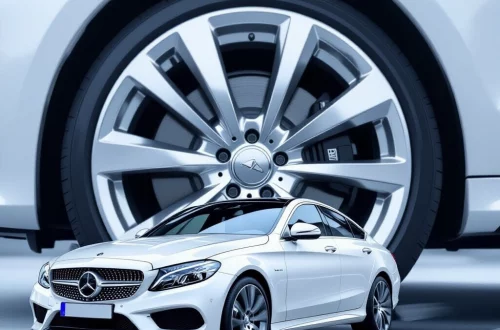
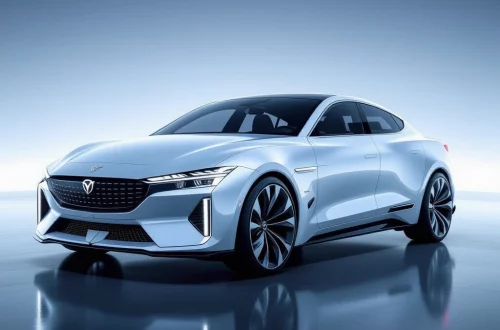
Sedans, on the other hand, are typically more compact and may not provide the same level of cargo capacity. However, they often feature a more refined interior, focusing on driver and front passenger comfort. For city dwellers or individuals who prioritize a sleek design, sedans may be more appealing.
Performance and Handling
Performance is another critical aspect to consider. Sedans are typically designed for better fuel efficiency and handling due to their lighter weight and lower center of gravity. This can result in a more responsive driving experience, especially on winding roads.
Conversely, SUVs offer a higher driving position, which can enhance visibility. Many modern SUVs also come with advanced all-wheel-drive systems that improve traction and performance on various terrains. This makes them an excellent choice for those who enjoy off-road adventures or live in areas with challenging weather conditions.
Safety Features
Both SUVs and sedans have made significant strides in safety, but their designs can influence safety ratings. Generally, SUVs tend to perform better in crash tests due to their larger size and weight. They also offer advanced safety features, such as blind-spot detection and lane-keeping assist, which are increasingly common across all vehicle types.
Sedans, while smaller, can also be equipped with top-tier safety technology. Many models come with robust safety systems aimed at preventing accidents and protecting occupants in the event of a collision.
Cost of Ownership
Cost is always a consideration when purchasing a vehicle. Typically, sedans are less expensive than SUVs, both in terms of initial purchase price and ongoing maintenance costs. Fuel efficiency is usually better in sedans, leading to lower gas expenses over time.
However, SUVs may hold their value better in the long run, making them a sound investment for buyers looking for resale value. Additionally, insurance rates can vary significantly, with SUVs sometimes costing more to insure due to their higher repair costs.
Conclusion
Ultimately, the choice between an SUV and a sedan comes down to personal preference and lifestyle needs. If you prioritize space, versatility, and off-road capability, an SUV may be the right fit for you. Conversely, if you favor performance, fuel efficiency, and a more compact vehicle, a sedan could be your best option.
Before making a decision, consider test driving models from both categories to see which one feels right. Remember, your vehicle is an extension of your lifestyle, so choose wisely!