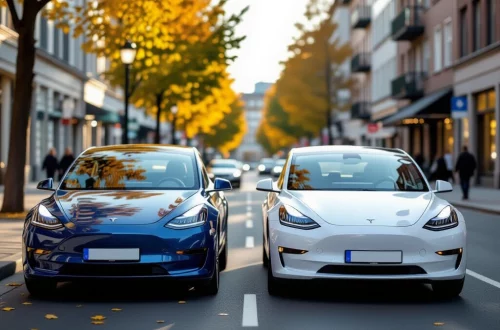








The automotive industry is on the brink of a revolution, with autonomous vehicles (AVs) at the forefront of this transformation. As technology continues to advance, the prospect of self-driving cars is no longer a distant dream but an imminent reality. In this article, we will explore the current state of autonomous vehicles, the technology behind them, and the challenges that lie ahead.
Understanding Autonomous Vehicle Technology
Autonomous vehicles utilize a combination of sensors, cameras, artificial intelligence, and machine learning algorithms to navigate and operate without human intervention. The core technologies powering AVs include:
- LiDAR: Light Detection and Ranging technology maps the environment by using laser light to create high-resolution 3D images.
- Computer Vision: This enables vehicles to interpret visual data from their surroundings, identifying obstacles, lane markings, and traffic signals.
- Machine Learning: Algorithms enable AVs to learn from data and improve their performance over time.
- Connectivity: V2X (vehicle-to-everything) communication allows vehicles to interact with each other and infrastructure, enhancing safety and efficiency.
The Current Landscape of Autonomous Vehicles
Several companies are leading the charge in the AV sector, including established automotive giants and innovative startups. Major players like Tesla, Waymo, and Ford are investing heavily in research and development to bring fully autonomous vehicles to market. Meanwhile, tech companies like Google and Apple are also exploring their own autonomous solutions.
Currently, many AVs are classified into levels, ranging from Level 0 (no automation) to Level 5 (full automation). Most commercially available models today fall within Level 2 or Level 3, which still require human oversight. However, the push towards Level 4 and 5 is accelerating, with pilot programs and testing ongoing in various cities worldwide.
Challenges and Considerations
Despite the excitement surrounding AVs, several challenges must be addressed before widespread adoption can occur:
- Regulatory Framework: Governments need to establish clear regulations and guidelines for AV operation to ensure safety and accountability.
- Safety Concerns: Public perception and trust in autonomous technology remain significant hurdles. High-profile accidents involving AVs have raised questions about their safety.
- Infrastructure Development: Upgrading existing infrastructure to support AVs, including smart traffic signals and dedicated lanes, is crucial for their effective operation.
- Ethical Dilemmas: The programming of AV decision-making in critical situations poses ethical questions that society must address.
The Future of Autonomous Driving
As we look ahead, the future of autonomous vehicles appears promising. With ongoing advancements in technology and increased investment, we are likely to see greater integration of AVs into everyday life. This transformation could lead to reduced traffic congestion, lower accident rates, and increased mobility for individuals unable to drive.
In conclusion, while the journey towards fully autonomous vehicles is fraught with challenges, the potential benefits are immense. As technology evolves, so too will our understanding and acceptance of autonomous driving. The road ahead may be complex, but the destination is undoubtedly exciting.